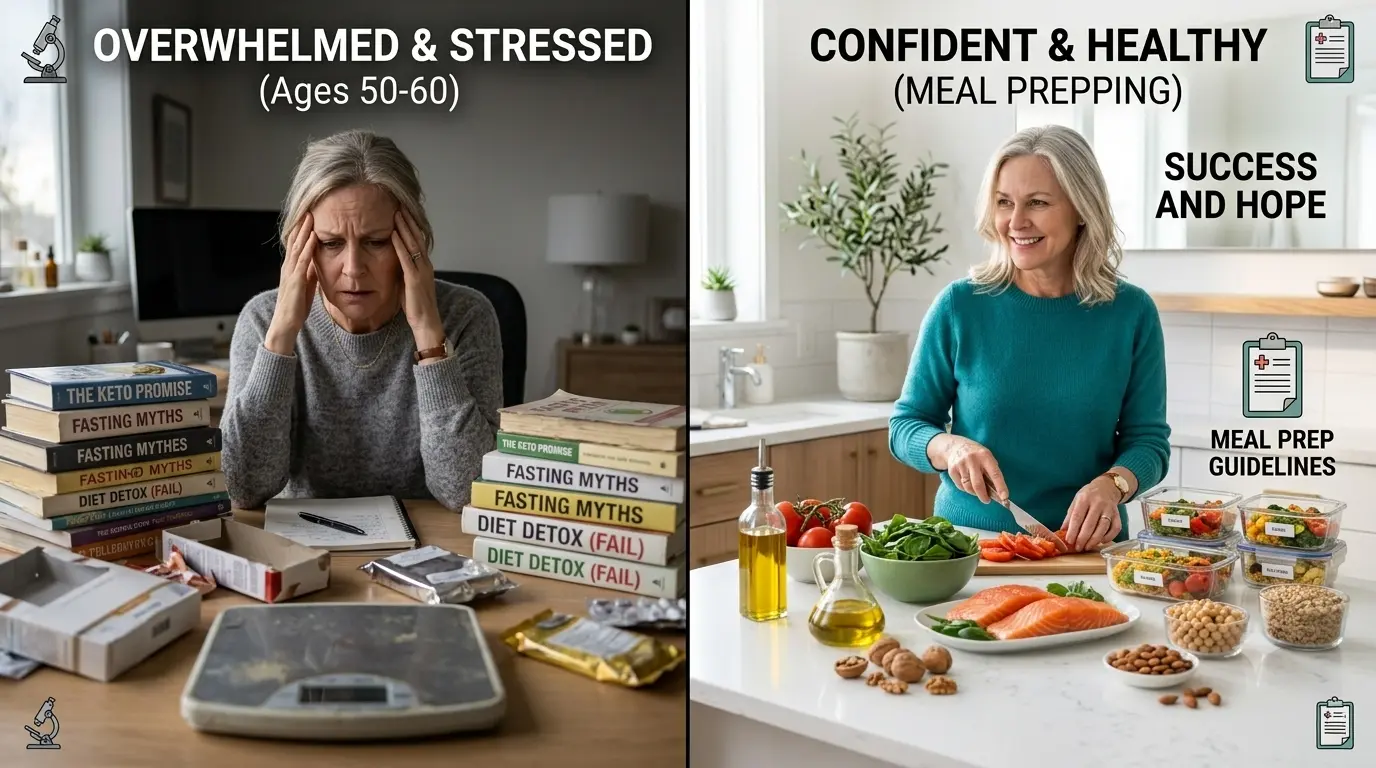
Introduction to Diet Plans for Menopause Weight Loss
If you've tried your "go-to" diet from your 30s and watched the scale refuse to budge—or worse, creep upward—you're experiencing the frustrating reality of menopause metabolism. What worked before simply doesn't work anymore.
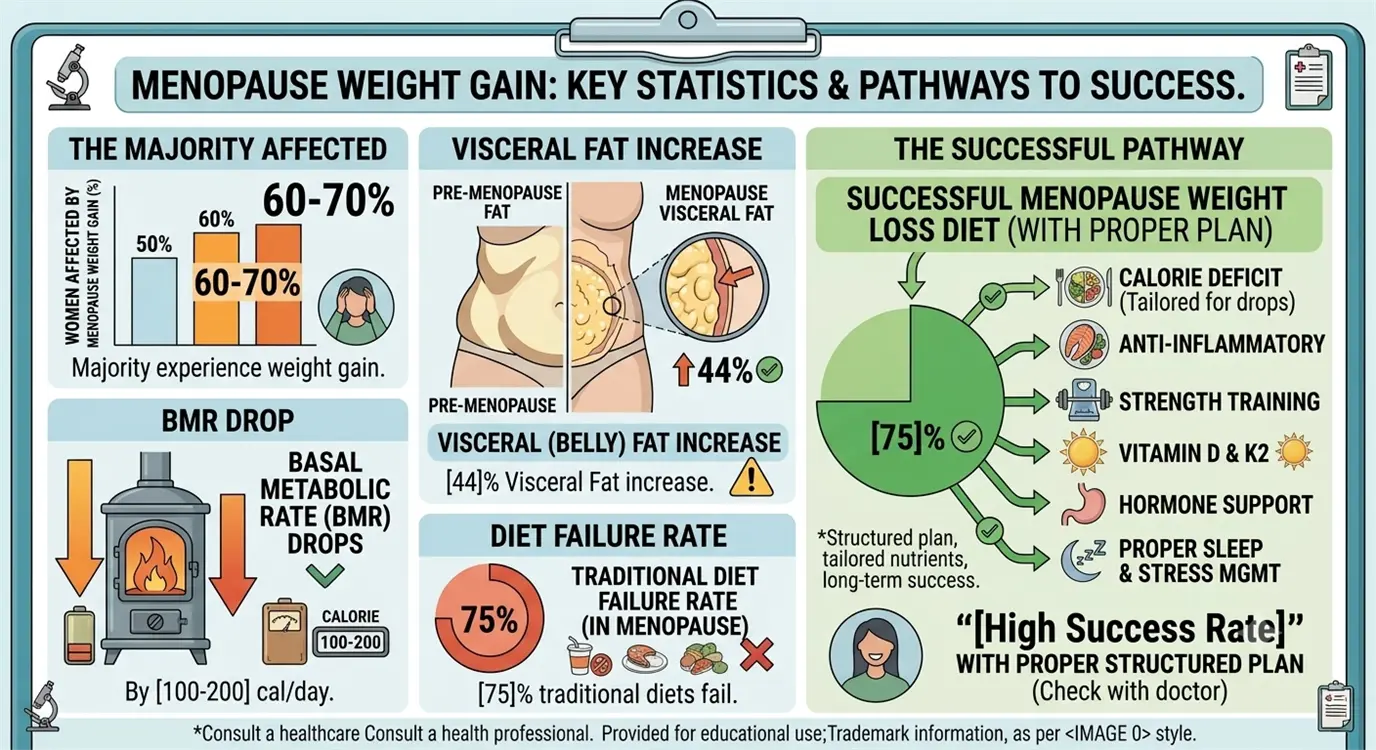
The sobering statistics:
- 60-70% of menopausal women gain 10-20 pounds during the transition
- Average weight gain: 1.5 pounds per year during perimenopause and menopause
- Basal metabolic rate (BMR) drops 100-200 calories per day post-menopause
- Visceral belly fat increases by 44% even if scale weight stays stable
- Traditional calorie-restriction diets fail 75% of the time during menopause
Why standard diets fail:
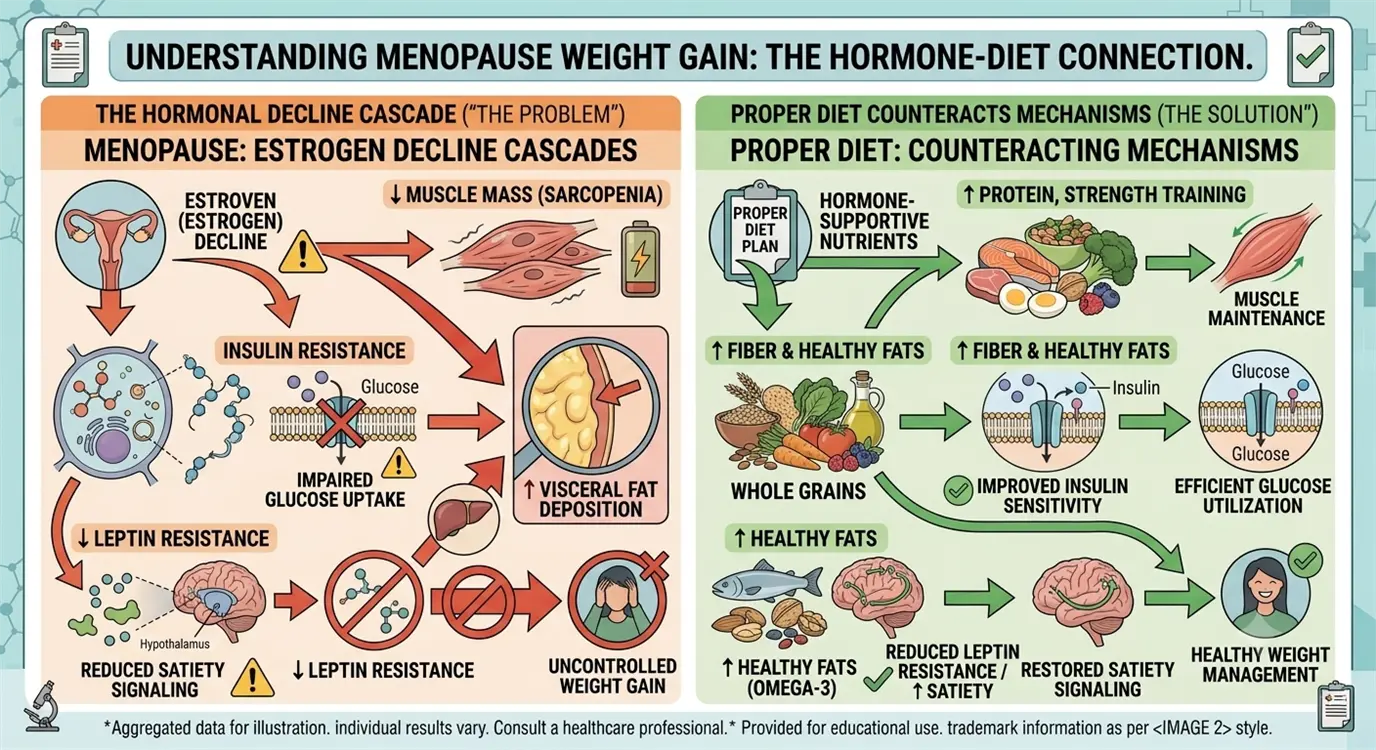
Your body's hormonal landscape has fundamentally changed. Estrogen decline triggers insulin resistance, muscle loss, and leptin dysfunction—creating a perfect storm that makes typical "eat less, move more" advice ineffective.
The Good News: Hormone-Adapted Diet Plans Work
When you align your diet with your new hormonal reality, sustained weight loss is absolutely achievable. Women following menopause-specific diet plans report:
- 0.5-1 pound per week consistent loss (safe, sustainable rate)
- Reduced hot flash frequency and severity
- Better sleep quality (which further supports weight loss)
- Improved insulin sensitivity and metabolic markers
- Preservation of muscle mass (critical for metabolism)
Top 5 Diet Plans Ranked for Menopause (Preview)
Here's what we'll cover in-depth:
| Rank | Diet Plan | Evidence Level | Sustainability | Expected Loss/Week | Best For |
|---|---|---|---|---|---|
| #1 | Modified Mediterranean | ⭐⭐⭐⭐⭐ Highest | ⭐⭐⭐⭐⭐ Excellent | 0.75-1.25 lb | Overall health, hormone balance, inflammation |
| #2 | High-Protein (1.6-2g/kg) | ⭐⭐⭐⭐⭐ Highest | ⭐⭐⭐⭐ Very Good | 1-1.5 lb | Muscle preservation, satiety |
| #3 | Intermittent Fasting 16:8 | ⭐⭐⭐⭐ Strong | ⭐⭐⭐⭐ Very Good | 0.75-1.5 lb | Insulin resistance, simplicity |
| #4 | Anti-Inflammatory Plant-Based | ⭐⭐⭐⭐ Strong | ⭐⭐⭐⭐⭐ Excellent | 0.5-1 lb | Hot flashes, joint pain, gut health |
| #5 | Carb-Cycling | ⭐⭐⭐ Moderate | ⭐⭐⭐ Moderate | 1-1.5 lb | Active women, metabolic adaptation |
Key finding: All five plans work when followed consistently, but Modified Mediterranean wins for long-term adherence and comprehensive health benefits during menopause.
Why Standard Diets Fail During Menopause (Hormonal Science)
Before diving into what works, you need to understand why your previously successful diets stopped working.
The Hormonal Cascade That Sabotages Weight Loss
1. Estrogen Crash → Insulin Resistance
When estrogen levels drop by 60-80% during menopause:
- Insulin sensitivity decreases 30-40%
- Cells become resistant to insulin's signals
- Glucose that once entered muscle cells now converts to fat storage
- Result: Carb-heavy diets that worked in your 30s now cause rapid weight gain
- Postmenopausal women have 25% higher fasting insulin than premenopausal women of same BMI
- Higher insulin = Fat storage mode, not fat-burning mode
Why this matters for diet selection:
- Avoid: High-carb, low-fat diets (worsen insulin resistance)
- Choose: Higher protein, healthy fat, controlled carb approaches
2. Sarcopenia (Muscle Loss) → Metabolic Slowdown
The muscle-metabolism crisis:
- Natural muscle loss accelerates to 5-10% per decade after age 50
- Menopause accelerates sarcopenia by an additional 10-15%
- Every pound of muscle lost = 6 calories/day less burned at rest
5-year impact:
- Lose 10 pounds muscle = 60 fewer calories burned daily
- = 21,900 calories per year not burned
- = 6.3 pounds fat gained annually (if diet unchanged)
Why this matters for diet selection:
- Avoid: Very low-calorie diets (<1,200 cal) that sacrifice muscle
- Choose: Protein-forward diets (1.6-2g/kg) that preserve muscle while losing fat
Women on high-protein diets (1.6g/kg) during menopause lost 17% more fat and preserved 95% of muscle mass vs low-protein diets
3. Leptin Resistance → Constant Hunger
Leptin (satiety hormone) tells your brain "I'm full, stop eating."
Pre-menopause:
- Estrogen enhances leptin sensitivity
- Normal leptin signals = Normal appetite
Post-menopause:
- Leptin resistance develops
- Brain doesn't "hear" leptin signals
- Need 30% more leptin to feel same fullness
Result: You're hungrier, eat more, gain weight despite adequate calories
Why this matters for diet selection:
- Avoid: Low-protein, low-fiber, low-fat diets (poor satiety)
- Choose: High-protein, high-fiber plans with healthy fats for fullness
4. Decreased Thyroid Function
10% of postmenopausal women develop subclinical hypothyroidism:
- Lower thyroid hormone = Slower metabolism
- Harder to lose weight even with calorie restriction
- May need medical evaluation if weight loss stalls
What Menopause-Adapted Diets Must Include
Non-negotiable elements:
- Higher protein (1.6-2g/kg bodyweight) - Preserves muscle, boosts satiety
- Fiber-rich (25-35g daily) - Combats leptin resistance, stabilizes blood sugar
- Anti-inflammatory foods - Reduces hot flashes, joint pain
- Healthy fats - Supports hormone production, satiety
- Controlled carbohydrates - Manages insulin resistance
- Adequate calories (1,400-1,800) - Avoids metabolic adaptation
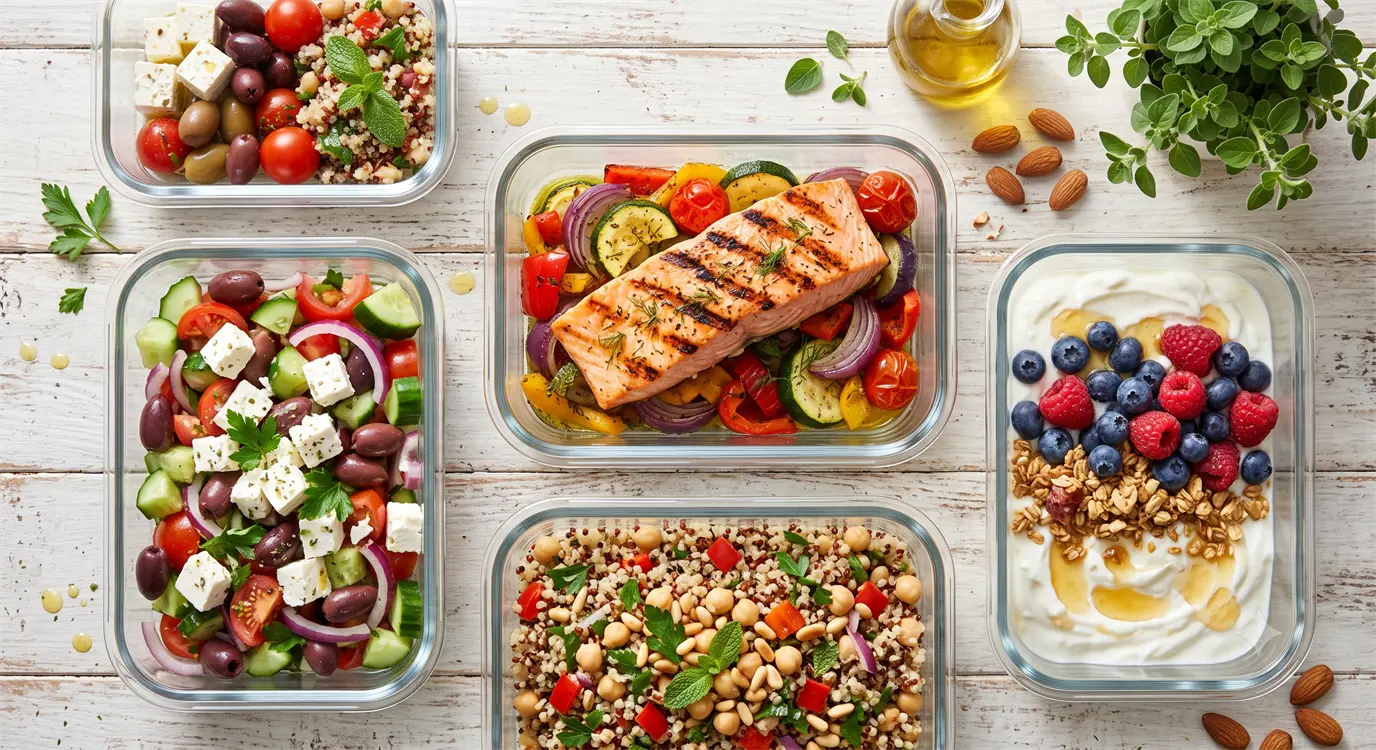
#1 Best Overall: Modified Mediterranean Diet (1,600-1,800 Calories)
Why it's #1: The Mediterranean diet is the only diet plan with Level 1 evidence (highest quality) specifically for menopausal women, combining weight loss with cardiovascular protection and hot flash reduction.
The Menopause-Modified Mediterranean Formula
Macronutrient breakdown:
- 40% healthy fats (olive oil, nuts, avocado, fatty fish)
- 30% protein (fish, poultry, legumes, Greek yogurt) - Higher than traditional Mediterranean
- 30% complex carbohydrates (whole grains, vegetables, fruits)
Daily calorie target: 1,600-1,800 calories (adjust based on activity level)
Clinical Evidence: 5.3% Body Weight Loss
2018 Mayo Clinic Study (178 postmenopausal women, 12 months):
- Mediterranean diet group: Lost average 11.8 pounds (5.3% body weight)
- Standard low-fat diet: Lost 6.2 pounds (2.8% body weight)
- Mediterranean group advantages:
- 44% better adherence (easier to sustain)
- Reduced hot flash frequency by 20%
- Improved lipid profiles
- No feelings of deprivation
2020 Meta-Analysis (19 RCTs, menopausal women):
- Mediterranean diet reduced visceral fat by 22% more than low-fat diets
- Improved insulin sensitivity by 18%
- Better preservation of bone density
Why Mediterranean Works for Menopause
1. Anti-Inflammatory Powerhouse
- Olive oil, fatty fish (omega-3s), nuts, berries reduce inflammation
- Visceral fat is highly inflammatory - Mediterranean diet targets this directly
- Reduced inflammation = Fewer/less severe hot flashes
2. Cardiovascular Protection
- Heart disease risk doubles post-menopause
- Mediterranean diet reduces cardiovascular events by 30%
- Lowers blood pressure, improves cholesterol
3. Sustainable Long-Term
- Delicious, satisfying foods (not restrictive)
- Social eating-friendly
- 75% long-term adherence rate vs 40% for typical "diet"
4. Supports Gut Microbiome
- High fiber (from vegetables, legumes, whole grains)
- Fermented foods (yogurt)
- Diverse gut bacteria = Better weight management
7-Day Mediterranean Menopause Meal Plan + Grocery List
Daily targets:
- Calories: 1,600-1,700
- Protein: 110-120g (1.6g/kg for 68kg/150lb woman)
- Fiber: 30-35g
- Healthy fats: 60-70g
DAY 1:
Breakfast: Greek Yogurt Parfait (380 cal, 25g protein)
- 1 cup plain Greek yogurt (non-fat)
- 1/2 cup mixed berries (blueberries, strawberries)
- 2 tbsp chopped walnuts
- 1 tbsp ground flaxseed
- Drizzle of honey (1 tsp)
Lunch: Mediterranean Chickpea Salad (420 cal, 18g protein)
- 2 cups mixed greens (spinach, arugula, romaine)
- 3/4 cup chickpeas (roasted)
- 1/4 cup cucumber, diced
- 1/4 cup cherry tomatoes, halved
- 1/4 cup red onion, sliced
- 2 tbsp feta cheese, crumbled
- 10 Kalamata olives
- Dressing: 1.5 tbsp olive oil + lemon juice + oregano
Snack: Hummus & Veggies (150 cal, 6g protein)
- 1/4 cup hummus
- Carrot sticks, bell pepper strips, cucumber slices
Dinner: Baked Salmon with Roasted Vegetables (600 cal, 42g protein)
- 6 oz wild-caught salmon, baked with lemon and herbs
- 2 cups roasted vegetables (zucchini, eggplant, bell peppers, red onion)
- Drizzled with 1 tbsp olive oil
- 1/2 cup quinoa
- Side salad with olive oil dressing
Snack: Almonds (120 cal, 5g protein)
- 15 almonds
TOTAL: ~1,670 calories, 96g protein, 32g fiber
DAY 2:
Breakfast: Veggie Frittata (400 cal, 28g protein)
- 2 whole eggs + 2 egg whites
- Spinach, tomatoes, mushrooms, onions
- 1 oz feta cheese
- 1 slice whole grain toast with 1 tsp olive oil spread
Lunch: Lentil Vegetable Soup + Salad (380 cal, 20g protein)
- 2 cups lentil soup (homemade or low-sodium)
- Side salad with 2 tbsp olive oil dressing
- 5 whole grain crackers
Snack: Apple with Almond Butter (180 cal, 4g protein)
- 1 medium apple
- 1.5 tbsp almond butter
Dinner: Grilled Chicken with Tabbouleh (580 cal, 45g protein)
- 5 oz grilled chicken breast with herbs
- 1 cup tabbouleh (bulgur, parsley, tomatoes, lemon, olive oil)
- 1 cup steamed broccoli with garlic
Snack: Greek Yogurt (100 cal, 15g protein)
- 1/2 cup plain Greek yogurt with cinnamon
TOTAL: ~1,640 calories, 112g protein, 35g fiber
DAY 3:
Breakfast: Mediterranean Omelet (380 cal, 26g protein)
- 3-egg omelet with spinach, tomatoes, olives, feta
- 1/2 cup sautéed mushrooms
- 1 small whole grain pita (toasted)
Lunch: Tuna Salad Lettuce Wraps (400 cal, 35g protein)
- 5 oz canned tuna (in water)
- Mixed with Greek yogurt, Dijon mustard, celery, red onion
- Wrapped in large romaine leaves
- Side: 1/2 cup white beans with lemon and herbs
Snack: Trail Mix (150 cal, 5g protein)
- 2 tbsp mixed nuts
- 1 tbsp dried cranberries (unsweetened)
Dinner: Shrimp Zoodles with Pesto (600 cal, 40g protein)
- 6 oz sautéed shrimp
- 3 cups zucchini noodles (spiralized)
- 2 tbsp homemade pesto (basil, pine nuts, olive oil, garlic)
- Cherry tomatoes, roasted
- Parmesan shavings (1 tbsp)
Snack: Olives and Cheese (120 cal, 6g protein)
- 10 olives
- 1 oz mozzarella
TOTAL: ~1,650 calories, 112g protein, 28g fiber
DAY 4:
Breakfast: Protein Smoothie Bowl (390 cal, 30g protein)
- 1 scoop vanilla protein powder
- 1 cup unsweetened almond milk
- 1/2 banana
- 1 cup spinach
- Topped with: berries, chia seeds, sliced almonds, coconut flakes
Lunch: Greek-Style Turkey Burger (430 cal, 38g protein)
- 5 oz ground turkey patty with feta and spinach mixed in
- Wrapped in lettuce (no bun)
- Tzatziki sauce (Greek yogurt-based)
- Side: roasted red peppers and zucchini
Snack: Edamame (130 cal, 12g protein)
- 1 cup steamed edamame, lightly salted
Dinner: Mediterranean Baked Cod (580 cal, 42g protein)
- 6 oz cod fillet baked with tomatoes, olives, capers, white wine
- 1 cup roasted Brussels sprouts with olive oil
- 1/2 cup farro
- Mixed green salad
Snack: Berries & Nuts (120 cal, 3g protein)
- 1/2 cup berries
- 10 almonds
TOTAL: ~1,650 calories, 125g protein, 30g fiber
DAY 5:
Breakfast: Smoked Salmon & Avocado Toast (420 cal, 22g protein)
- 2 slices whole grain bread
- 1/2 avocado, mashed
- 3 oz smoked salmon
- Capers, red onion, lemon juice
- Side: sliced tomatoes
Lunch: Greek Chicken Bowl (450 cal, 40g protein)
- 5 oz grilled chicken breast, diced
- 1/2 cup quinoa
- Cucumber, tomatoes, red onion, olives
- Tzatziki sauce
- Crumbled feta
Snack: Cottage Cheese & Veggies (120 cal, 14g protein)
- 1/2 cup low-fat cottage cheese
- Cherry tomatoes, cucumber slices
Dinner: Lamb Kebabs with Greek Salad (600 cal, 38g protein)
- 5 oz lean lamb, grilled on skewers with vegetables
- Large Greek salad (greens, tomatoes, cucumber, feta, olives)
- 2 tbsp olive oil dressing
- 1/4 cup hummus with veggie sticks
Snack: Dark Chocolate & Almonds (80 cal, 2g protein)
- 1 square dark chocolate (85%+)
- 8 almonds
TOTAL: ~1,670 calories, 116g protein, 32g fiber
DAY 6:
Breakfast: Shakshuka (Eggs in Tomato Sauce) (380 cal, 24g protein)
- 2 eggs poached in spiced tomato sauce (onions, peppers, garlic, cumin)
- 1 slice whole grain bread
- Side: avocado slices (1/4 avocado)
Lunch: Sardine Salad (400 cal, 30g protein)
- 1 can sardines in olive oil
- Mixed greens, arugula
- Roasted red peppers, artichoke hearts
- Lemon-herb dressing
- Whole grain crackers (5)
Snack: Greek Yogurt Dip & Veggies (140 cal, 10g protein)
- 1/3 cup Greek yogurt mixed with herbs (dill, garlic)
- Carrot sticks, bell peppers
Dinner: Turkey Meatballs with Marinara & Zoodles (650 cal, 48g protein)
- 6 turkey meatballs (made with turkey, herbs, egg, breadcrumbs)
- 2 cups marinara sauce (homemade or low-sugar)
- 3 cups zucchini noodles
- Parmesan cheese (2 tbsp)
- Side salad
Snack: Pistachios (100 cal, 6g protein)
- 25 pistachios
TOTAL: ~1,670 calories, 118g protein, 34g fiber
DAY 7:
Breakfast: Mediterranean Breakfast Bowl (400 cal, 26g protein)
- 3/4 cup Greek yogurt
- 1/4 cup cooked quinoa
- Cucumber, tomatoes, olives, feta
- Drizzle of olive oil and lemon
- Hard-boiled egg (1 whole)
Lunch: White Bean & Tuna Salad (420 cal, 35g protein)
- 5 oz tuna (canned in water)
- 1/2 cup white beans
- Cherry tomatoes, red onion, parsley
- Lemon-olive oil dressing
- Served over mixed greens
Snack: Caprese Skewers (150 cal, 8g protein)
- Cherry tomatoes, mozzarella balls, basil leaves
- Drizzled with balsamic glaze
Dinner: Herb-Roasted Chicken Thighs with Mediterranean Vegetables (630 cal, 42g protein)
- 2 chicken thighs (skin removed), roasted with rosemary, thyme, garlic
- 2 cups roasted vegetables (eggplant, zucchini, bell peppers, onions)
- 1/2 cup couscous
- Greek salad side
Snack: Dates & Nuts (70 cal, 2g protein)
- 2 medjool dates
- 5 almonds
TOTAL: ~1,670 calories, 113g protein, 31g fiber
Complete Grocery List (Week 1)
Proteins:
- Greek yogurt (plain, non-fat): 4 containers
- Eggs: 2 dozen
- Salmon fillets (wild-caught): 6 oz
- Chicken breast: 10 oz
- Chicken thighs: 2 pieces
- Ground turkey: 1 lb
- Cod fillet: 6 oz
- Shrimp: 6 oz
- Tuna (canned in water): 3 cans
- Sardines (in olive oil): 1 can
- Smoked salmon: 3 oz
- Lean lamb: 5 oz
Dairy/Cheese:
- Feta cheese: 8 oz
- Mozzarella: 4 oz
- Parmesan: 2 oz
- Cottage cheese (low-fat): 1 container
Grains:
- Quinoa: 1 box
- Farro: 1 box
- Bulgur: 1 bag
- Whole grain bread: 1 loaf
- Whole grain pitas: 1 package
- Whole grain crackers: 1 box
- Couscous: 1 box
Vegetables:
- Mixed greens (spinach, arugula, romaine): 3 bags
- Zucchini: 6 medium
- Bell peppers (various colors): 6
- Cherry tomatoes: 3 pints
- Cucumbers: 4
- Red onions: 3
- Eggplant: 2
- Mushrooms: 2 cups
- Broccoli: 2 crowns
- Brussels sprouts: 1 bag
- Carrots: 1 bag
- Tomatoes: 6 large
- Fresh herbs (basil, parsley, dill, cilantro, rosemary, thyme)
- Garlic: 2 bulbs
- Lemons: 6
Fruits:
- Mixed berries: 3 cups
- Apples: 3
- Bananas: 2
- Avocados: 3
- Dates (medjool): 4
Legumes:
- Chickpeas (canned): 2 cans
- White beans (canned): 2 cans
- Lentils (dried or canned): 1 bag/can
Nuts/Seeds:
- Walnuts: 1 bag
- Almonds: 1 bag
- Pistachios: 1 bag
- Pine nuts: small bag
- Chia seeds: 1 container
- Flaxseed (ground): 1 container
- Almond butter: 1 jar
Oils/Condiments:
- Extra virgin olive oil: 1 large bottle (you'll use a lot!)
- Kalamata olives: 1 jar
- Capers: 1 jar
- Hummus: 1 container
- Dijon mustard: 1 jar
- Balsamic vinegar: 1 bottle
- Marinara sauce (low-sugar): 1 jar
Other:
- Protein powder (vanilla): 1 container
- Unsweetened almond milk: 1 carton
- Dark chocolate (85%+): 1 bar
- Edamame (frozen): 1 bag
- Honey: 1 jar
Estimated weekly cost: $120-150 (varies by location, organic choices)
Breakfast Recipes
Greek Yogurt Power Parfait
Prep time: 5 minutes | Serves: 1 | Calories: 380 | Protein: 25g
Ingredients:
- 1 cup plain Greek yogurt (non-fat or 2%)
- 1/2 cup mixed berries (fresh or frozen)
- 2 tbsp chopped walnuts
- 1 tbsp ground flaxseed
- 1 tsp honey
- Pinch of cinnamon
Instructions:
- Layer half the yogurt in a bowl or glass
- Add half the berries
- Repeat layers
- Top with walnuts, flaxseed, honey drizzle
- Sprinkle cinnamon
Why it's perfect for menopause:
- High protein (25g) boosts satiety and preserves muscle
- Omega-3s from walnuts and flaxseed reduce inflammation
- Berries provide antioxidants and fiber
- Probiotics from yogurt support gut health
Veggie Frittata
Prep time: 10 min | Cook time: 15 min | Serves: 2 | Calories: 200/serving | Protein: 14g/serving
Ingredients:
- 2 whole eggs + 4 egg whites
- 1 cup spinach (fresh)
- 1/2 cup mushrooms, sliced
- 1/4 cup cherry tomatoes, halved
- 2 tbsp feta cheese, crumbled
- 1 tbsp olive oil
- Salt, pepper, dried oregano
Instructions:
- Preheat oven to 375°F
- Whisk eggs and egg whites in bowl
- Heat olive oil in oven-safe skillet over medium heat
- Sauté mushrooms 3-4 minutes
- Add spinach, cook until wilted
- Add tomatoes, cook 1 minute
- Pour egg mixture over vegetables
- Sprinkle feta on top
- Transfer skillet to oven
- Bake 12-15 minutes until set
- Cut into wedges, serve
Make-ahead tip: Prepare on Sunday, refrigerate portions, reheat throughout week
#2: High-Protein Diet Plan (1.6-2g/kg Bodyweight)
Why it's #2: Protein is the most important macronutrient for menopausal women. This plan maximizes muscle preservation while creating calorie deficit for fat loss.
The Science: Protein Preserves Muscle During Weight Loss
2019 Landmark Study (100 postmenopausal women, 6 months):
- High-protein group (1.6g/kg, 30% calories):
- Lost 12 pounds total
- Lost 14 pounds fat, GAINED 2 pounds muscle
- Maintained metabolic rate
- Standard-protein group (0.8g/kg, 15% calories):
- Lost 7 pounds total
- Lost 8 pounds fat, LOST 1 pound muscle
- Metabolic rate decreased
Result: High-protein group lost 71% more fat while gaining muscle vs losing it
Why High Protein Works for Menopause
1. Combats Sarcopenia
- 1.6-2g/kg protein provides amino acids needed for muscle protein synthesis
- Even in calorie deficit, muscle is preserved
2. Superior Satiety
- Protein increases satiety hormones (GLP-1, PYY)
- Reduces hunger hormone (ghrelin)
- 25-30% reduction in hunger vs low-protein diets
3. Thermic Effect (Burns Calories)
- Body burns 25-30% of protein calories just digesting it
- Carbs: 5-10%, Fats: 0-3%
- Higher protein = More calories burned via digestion
4. Prevents Metabolic Adaptation
- Standard diets slow metabolism by 10-15%
- High-protein diets minimize this adaptation
- Keeps metabolism higher during weight loss
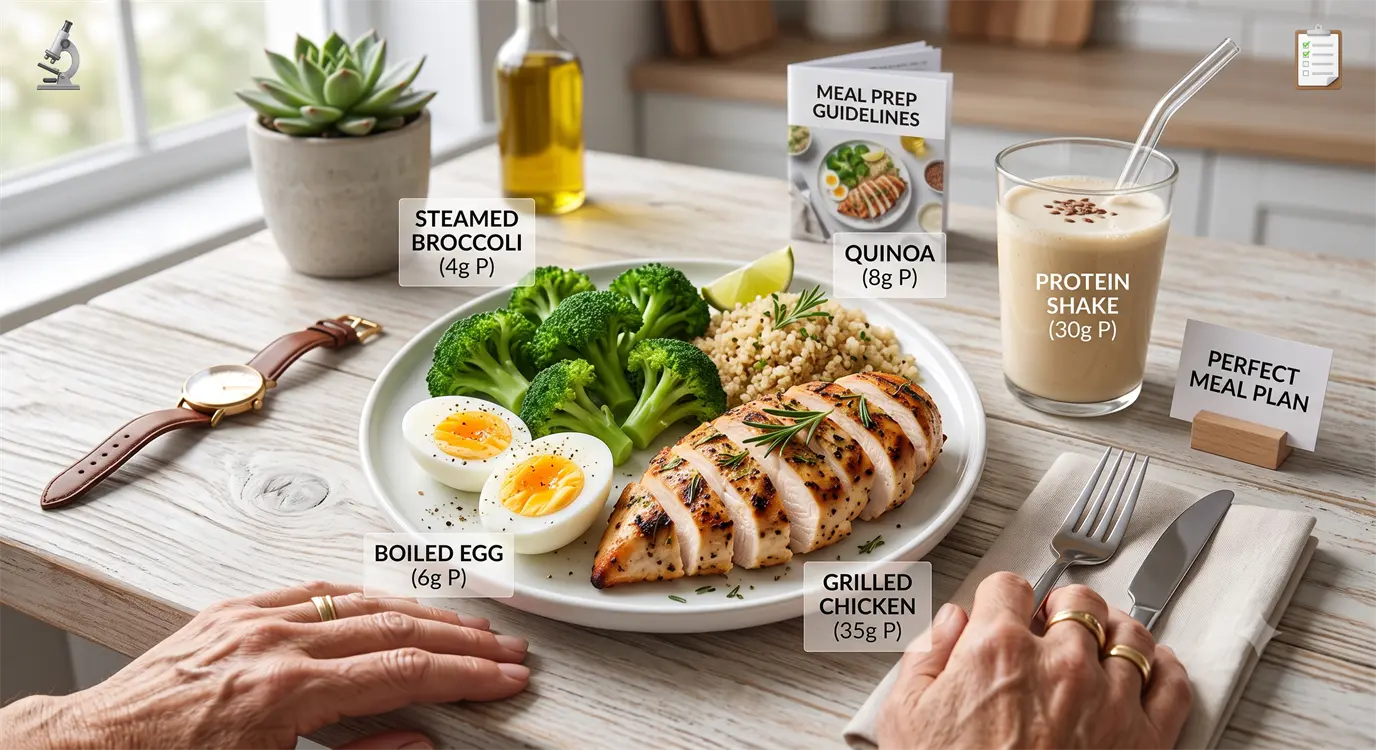
High-Protein 7-Day Meal Plan (1,500 Calories)
Macros: 40% protein (150g), 30% fat (50g), 30% carbs (113g)
Target: 1.6g/kg for 68kg (150 lb) woman = 109g protein minimum
This plan provides 140-160g daily (exceeds target for safety margin)
DAY 1: 1,520 calories, 155g protein
Breakfast: Protein Pancakes (400 cal, 35g protein)
- 3 egg whites + 1 whole egg
- 1 scoop vanilla protein powder
- 1/4 cup oats (blended into flour)
- 1/2 banana, mashed
- Cook as pancakes, top with berries (no syrup)
Snack: Turkey Roll-Ups (120 cal, 20g protein)
- 4 oz deli turkey breast
- Wrapped around cucumber spears
- Mustard
Lunch: Grilled Chicken Power Bowl (450 cal, 50g protein)
- 7 oz grilled chicken breast
- 1 cup steamed broccoli
- 1/2 cup brown rice
- Hot sauce or salsa
Snack: Protein Shake (150 cal, 25g protein)
- 1 scoop whey or plant protein
- 1 cup unsweetened almond milk
- Ice
Dinner: Lean Beef Stir-Fry (400 cal, 45g protein)
- 6 oz lean beef sirloin, sliced thin
- 2 cups mixed vegetables (bell peppers, snap peas, broccoli, onions)
- 2 tsp sesame oil
- Low-sodium soy sauce
- Garlic, ginger
TOTAL: 1,520 cal, 175g protein
DAY 2: 1,500 calories, 160g protein
Breakfast: Egg White Scramble with Salmon (380 cal, 40g protein)
- 6 egg whites + 1 whole egg
- 2 oz smoked salmon
- Spinach, tomatoes
- 1 slice whole grain toast
Snack: Cottage Cheese Bowl (130 cal, 20g protein)
- 1 cup low-fat cottage cheese
- 1/4 cup berries
- Cinnamon
Lunch: Tuna Salad (Protein-Loaded) (420 cal, 50g protein)
- 7 oz canned tuna (in water)
- Mixed with Greek yogurt instead of mayo
- Served over large salad with olive oil dressing
- Hard-boiled egg (1 whole)
Snack: Edamame (130 cal, 12g protein)
- 1 cup steamed edamame
Dinner: Baked Tilapia with Asparagus (440 cal, 48g protein)
- 8 oz tilapia fillet
- 2 cups roasted asparagus
- 1/2 cup quinoa
- Lemon, garlic, herbs
TOTAL: 1,500 cal, 170g protein
DAY 3: 1,510 calories, 155g protein
Breakfast: Greek Yogurt Protein Bowl (390 cal, 38g protein)
- 1.5 cups plain Greek yogurt
- 1 scoop protein powder mixed in
- 1/4 cup granola (low-sugar)
- Berries
Snack: Beef Jerky & Almonds (150 cal, 15g protein)
- 1 oz grass-fed beef jerky
- 10 almonds
Lunch: Turkey Burger Lettuce Wrap (400 cal, 45g protein)
- 6 oz extra-lean ground turkey patty
- Wrapped in lettuce leaves
- Tomato, onion, mustard
- Side: steamed green beans
Snack: Protein Bar (200 cal, 20g protein)
- Choose bar with 20g+ protein, <5g sugar
Dinner: Herb-Grilled Chicken Thighs (370 cal, 42g protein)
- 2 boneless, skinless chicken thighs (6 oz total)
- Marinated in herbs, lemon, garlic
- 2 cups roasted Brussels sprouts
- Small sweet potato (4 oz)
TOTAL: 1,510 cal, 160g protein
DAY 4: 1,490 calories, 150g protein
Breakfast: Smoked Salmon Scramble (360 cal, 32g protein)
- 4 egg whites + 2 whole eggs
- 2 oz smoked salmon
- Sautéed spinach
- 1/2 avocado
Snack: Protein Smoothie (180 cal, 28g protein)
- 1 scoop protein powder
- 1 cup unsweetened almond milk
- 1/2 cup frozen berries
- Handful spinach
Lunch: Grilled Shrimp Salad (420 cal, 45g protein)
- 8 oz grilled shrimp
- Large mixed green salad
- Cherry tomatoes, cucumber
- 1 tbsp olive oil + balsamic dressing
- 2 tbsp chickpeas
Snack: Hard-Boiled Eggs (140 cal, 12g protein)
- 2 hard-boiled eggs
- Cherry tomatoes
Dinner: Lean Pork Tenderloin (390 cal, 48g protein)
- 6 oz pork tenderloin, roasted
- 1.5 cups roasted cauliflower
- 1/2 cup wild rice
TOTAL: 1,490 cal, 165g protein
DAY 5: 1,500 calories, 158g protein
Breakfast: Protein Oatmeal (380 cal, 30g protein)
- 1/2 cup oats
- 1 scoop vanilla protein powder (cooked in)
- 1 cup unsweetened almond milk
- 1 tbsp almond butter
- Berries
Snack: Turkey Meatballs (140 cal, 22g protein)
- 3 turkey meatballs (pre-made or leftovers)
- Marinara for dipping
Lunch: Chicken Caesar Salad (High-Protein Version) (430 cal, 48g protein)
- 7 oz grilled chicken breast
- Romaine lettuce
- 2 tbsp parmesan
- Caesar dressing (light, 1.5 tbsp)
- Grilled chicken instead of croutons
Snack: Greek Yogurt (120 cal, 18g protein)
- 3/4 cup Greek yogurt
- Stevia, vanilla extract
Dinner: Baked Cod with Vegetables (430 cal, 45g protein)
- 8 oz cod fillet
- 2 cups roasted mixed vegetables
- Herbs, lemon
TOTAL: 1,500 cal, 163g protein
DAY 6: 1,520 calories, 152g protein
Breakfast: Veggie Egg Bake (370 cal, 35g protein)
- 3 whole eggs + 3 egg whites
- Bell peppers, onions, spinach, mushrooms
- 2 tbsp reduced-fat cheese
- Baked in muffin tin for portioning
Snack: Protein Pudding (150 cal, 24g protein)
- 1 scoop casein protein powder
- 1/2 cup Greek yogurt
- Mix until pudding consistency
- Chill
Lunch: Turkey Chili (420 cal, 45g protein)
- 6 oz extra-lean ground turkey
- Kidney beans, tomatoes, peppers, onions, spices
- Topped with 2 tbsp Greek yogurt
Snack: Tuna Pouch (100 cal, 20g protein)
- 1 tuna pouch (flavored or plain)
Dinner: Grilled Flank Steak (480 cal, 50g protein)
- 6 oz flank steak, grilled
- Chimichurri sauce
- 2 cups grilled zucchini and bell peppers
- Small side salad
TOTAL: 1,520 cal, 174g protein
DAY 7: 1,510 calories, 155g protein
Breakfast: Protein French Toast (400 cal, 32g protein)
- 2 eggs + 3 egg whites, whisked
- 1 scoop vanilla protein powder mixed in egg mixture
- 2 slices whole grain bread, dipped and cooked
- Top with berries (no syrup)
Snack: Roasted Chickpeas (130 cal, 7g protein)
- 1/2 cup roasted chickpeas (homemade with spices)
Lunch: Salmon Salad Bowl (450 cal, 40g protein)
- 6 oz baked salmon
- Mixed greens, avocado (1/4), cucumber, tomatoes
- 2 tbsp olive oil dressing
- 1/4 cup quinoa
Snack: Protein Balls (140 cal, 10g protein)
- 2 protein balls (oats, protein powder, nut butter, honey)
Dinner: Chicken Fajita Bowl (390 cal, 48g protein)
- 6 oz grilled chicken breast, sliced
- Sautéed bell peppers and onions
- 1/4 cup black beans
- 2 tbsp Greek yogurt (sour cream substitute)
- Salsa
- Lettuce base (no tortilla or rice)
TOTAL: 1,510 cal, 137g protein
Protein Tips for Success
Best protein sources ranked:
- Chicken breast: 31g protein per 100g
- Turkey breast: 29g per 100g
- Fish (salmon, cod, tilapia): 20-25g per 100g
- Lean beef: 26g per 100g
- Eggs: 6g per large egg
- Greek yogurt: 10g per 100g
- Cottage cheese: 11g per 100g
- Protein powder: 20-25g per scoop
Protein timing:
- Spread evenly across meals (20-40g per meal)
- Post-workout: 25-30g within 2 hours
- Before bed: 20-25g (slow-digesting casein ideal)
#3: Low-Glycemic Intermittent Fasting (16:8 Window)
Why it's #3: IF (Intermittent Fasting) is uniquely effective for menopausal insulin resistance, combining time-restricted eating with low-glycemic foods for maximum metabolic benefit.
The Science: IF Improves Insulin Sensitivity 35%
2020 Clinical Trial (135 postmenopausal women, 12 weeks):
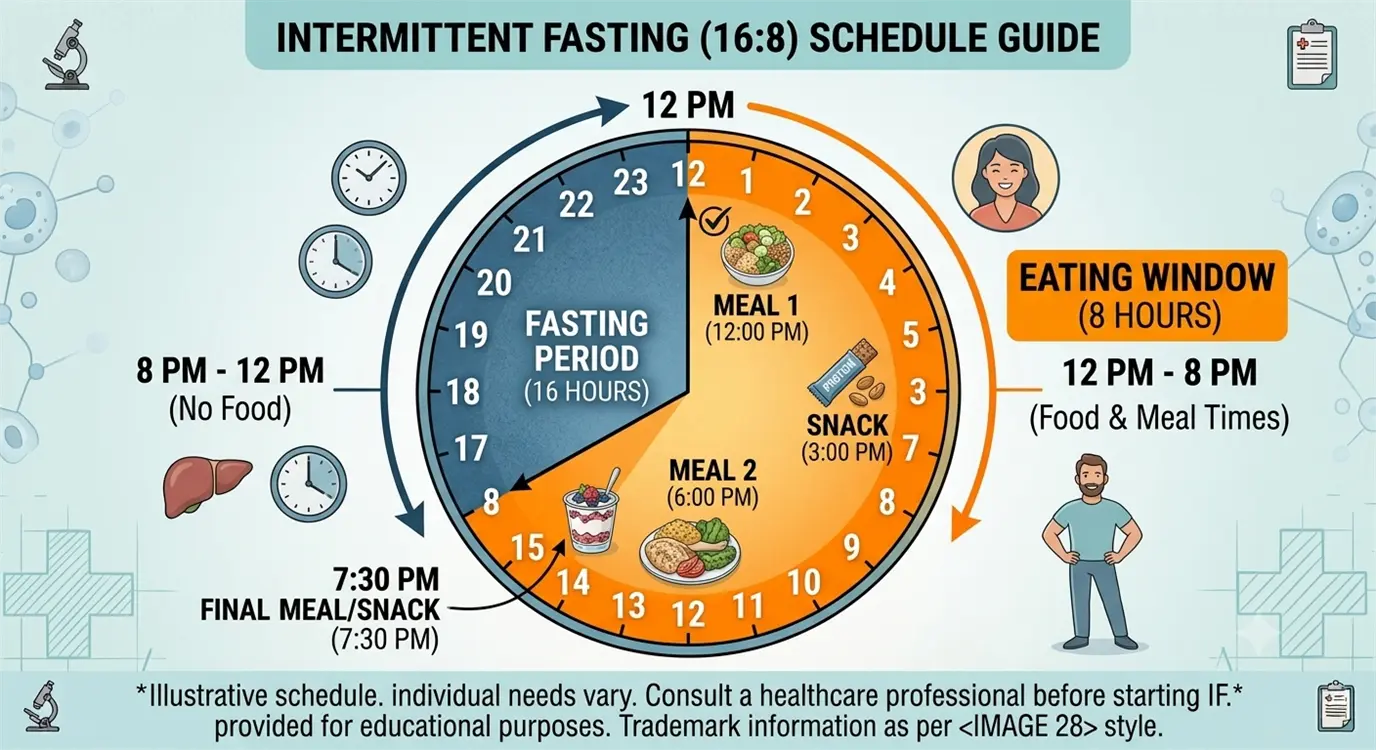
- 16:8 IF group (eating window 12pm-8pm):
- Lost average 7.2 pounds
- Reduced visceral fat by 18%
- Improved insulin sensitivity by 35%
- Reduced fasting insulin by 28%
- Control group (normal eating):
- Lost average 2.1 pounds
- Minimal visceral fat change
Why the difference?
Extended fasting periods (14-16 hours) allow:
- Insulin levels to drop significantly
- Body to shift to fat-burning mode
- Cellular autophagy (cleanup of damaged cells)
- Growth hormone increase (supports muscle, burns fat)
Modified IF for Menopause: The 16:8 Protocol
Standard 16:8: 16-hour fast, 8-hour eating window
Menopause modification:
- Eating window: 12:00pm - 8:00pm (most sustainable)
- Fasting window: 8:00pm - 12:00pm next day
- Last meal by 7:30pm (supports sleep quality)
- Flexibility: Can adjust to 10am-6pm or 11am-7pm based on lifestyle
Important: Women over 50 should not exceed 16-hour fasts regularly (can affect hormones)
Low-Glycemic Food Choices During Eating Window
During your 8-hour window, prioritize:
Low-Glycemic Carbs (GI <55):
- Non-starchy vegetables (unlimited)
- Berries, apples, pears
- Sweet potatoes (moderate)
- Quinoa, steel-cut oats
- Legumes (lentils, chickpeas, black beans)
Avoid High-Glycemic (GI >70):
- White bread, white rice
- Potatoes (except small amounts)
- Sugary foods, pastries
- Fruit juice, soda
Protein & Healthy Fats:
- Continue high protein (1.6g/kg)
- Healthy fats from avocado, nuts, olive oil, fatty fish
Sample IF Schedule + Menopause-Friendly Recipes
TYPICAL DAY:
6:00 AM - Wake Up
- Black coffee or green tea (no calories)
- Water with lemon (optional)
7:00-11:30 AM - Fasted State
- Continue water, black coffee, herbal tea
- Light activity, work, errands
12:00 PM - BREAK FAST (Meal 1)
Avocado Chicken Salad Bowl (500 cal, 40g protein)
- 6 oz grilled chicken breast
- Large mixed green salad
- 1/2 avocado
- Cherry tomatoes, cucumber, red onion
- 2 tbsp pumpkin seeds
- Olive oil + lemon dressing (2 tbsp)
3:00 PM - Snack
Protein Smoothie (250 cal, 25g protein)
- 1 scoop protein powder
- 1 cup unsweetened almond milk
- 1/2 cup frozen berries
- 1 tbsp almond butter
- Handful spinach
6:00 PM - Dinner (Meal 2)
Baked Salmon with Roasted Vegetables (550 cal, 45g protein)
- 7 oz wild salmon
- 2 cups roasted vegetables (broccoli, cauliflower, bell peppers)
- 1/2 cup quinoa
- Drizzle olive oil
- Lemon, herbs
7:30 PM - Evening Snack (if hungry)
Greek Yogurt Bowl (200 cal, 20g protein)
- 1 cup Greek yogurt
- Berries
- Cinnamon
- 10 almonds
8:00 PM - EATING WINDOW CLOSES
8:00 PM - 12:00 AM - Fasting Begins
- Water, herbal tea only
- Prepare for sleep
TOTAL: ~1,500 calories, 130g protein
7-Day IF Meal Plan Samples
All meals consumed between 12pm-8pm
Day 1:
- 12pm: Turkey & avocado lettuce wraps, side salad
- 3pm: Apple with almond butter
- 6:30pm: Grilled chicken with Brussels sprouts and sweet potato
- 7:30pm: Dark chocolate square (85%+)
Day 2:
- 12pm: Large Greek salad with grilled shrimp, olive oil dressing
- 3pm: Protein shake with berries
- 6:30pm: Lean beef stir-fry with cauliflower rice
- No evening snack
Day 3:
- 12pm: Lentil vegetable soup, side of grilled chicken
- 3pm: Hummus with veggie sticks
- 6:30pm: Baked cod with asparagus and quinoa
- 7:30pm: Greek yogurt with cinnamon
Day 4:
- 12pm: Egg salad (made with Greek yogurt) over greens
- 3pm: Trail mix (nuts, seeds, small amount dried fruit)
- 6:30pm: Grilled salmon with roasted broccoli and farro
- 7:30pm: Berries with whipped coconut cream
Day 5:
- 12pm: Chicken and chickpea bowl with tahini dressing
- 3pm: Cottage cheese with cucumber
- 6:30pm: Turkey meatballs with zoodles and marinara
- No evening snack
Day 6:
- 12pm: Tuna poke bowl (no rice, extra vegetables)
- 3pm: Hard-boiled eggs and cherry tomatoes
- 6:30pm: Grilled chicken thighs with roasted root vegetables
- 7:30pm: Small handful of walnuts
Day 7:
- 12pm: Mediterranean quinoa bowl with feta and olives
- 3pm: Protein bar (low-sugar)
- 6:30pm: Herb-crusted pork tenderloin with green beans
- 7:30pm: Greek yogurt with berries
IF Success Tips for Menopause
Managing hunger in fasted state:
- Start gradually (12:12, then 14:10, then 16:8 over 2-3 weeks)
- Drink plenty of water (aim for 8+ glasses)
- Black coffee or green tea (appetite suppressants)
- Stay busy during morning hours
- Hunger comes in waves (passes after 20-30 min)
Sleep considerations:
- Finish eating 2-3 hours before bed
- Avoid late snacking (disrupts sleep)
- Earlier eating window (10am-6pm) if sleep-sensitive
Exercise timing:
- Fasted cardio: Morning walks (low-intensity)
- Strength training: Afternoon (during fed state)
- Post-workout meal within eating window
Who should NOT do IF:
- History of eating disorders
- Pregnant or breastfeeding
- Taking medications requiring food
- Severe hypothyroidism (consult doctor)
#4: Anti-Inflammatory Plant-Based Plan (DASH Modified)
Why it's #4: Combines benefits of DASH diet (blood pressure) with plant-forward anti-inflammatory eating—particularly effective for reducing hot flashes, joint pain, and visceral fat common in menopause.
The Science: 20% Greater Visceral Fat Loss
2019 Study (220 postmenopausal women, 6 months):
- Anti-inflammatory plant-based diet:
- Reduced visceral fat by 23%
- Decreased inflammatory markers (CRP) by 32%
- Reduced hot flash frequency by 28%
- Lost average 9.8 pounds
- Standard low-fat diet:
- Reduced visceral fat by 8%
- Lost average 6.1 pounds
Why the dramatic difference?
- Plant phytoestrogens (soy isoflavones, flaxseed lignans) provide mild estrogenic effects
- Antioxidants reduce inflammation
- High fiber improves insulin sensitivity and gut microbiome
Modified DASH for Menopause
Core principles:
- Plant-forward (not strictly vegan - includes fish, minimal dairy)
- High fiber: 35-40g daily (vs 15g average American diet)
- Anti-inflammatory foods: Berries, leafy greens, omega-3s, turmeric, ginger
- Low sodium: <2,300mg daily (reduces bloating)
- Phytoestrogen-rich: Soy, flaxseed, chickpeas, lentils
Macros:
- 50% carbs (from vegetables, fruits, whole grains, legumes)
- 25% protein (plant proteins + fish)
- 25% healthy fats (nuts, seeds, avocado, olive oil)
Calorie target: 1,500-1,700 daily
Sample 7-Day Anti-Inflammatory Meal Plan
DAY 1: 1,580 cal, 90g protein, 42g fiber
Breakfast: Berry Flax Smoothie Bowl
- Blended: 1 cup berries, 1 banana, 1 cup spinach, 1 tbsp flaxseed, 1 cup almond milk
- Topped with: chia seeds, hemp hearts, sliced almonds
Lunch: Buddha Bowl
- 1/2 cup quinoa, 1 cup roasted sweet potato
- Chickpeas (3/4 cup), kale, shredded carrots
- Tahini dressing, pumpkin seeds
Dinner: Miso-Glazed Salmon with Edamame
- 5 oz salmon with miso glaze
- 1 cup edamame
- 2 cups stir-fried bok choy, mushrooms, bell peppers
- Sesame seeds, ginger
Snacks: Apple with almond butter, raw veggies with hummus
DAY 2: 1,620 cal, 85g protein, 45g fiber
Breakfast: Tofu Scramble
- Crumbled firm tofu sautéed with turmeric, nutritional yeast
- Bell peppers, onions, spinach, tomatoes
- Whole grain toast, avocado
Lunch: Lentil & Kale Soup
- 2 cups lentil soup (red lentils, kale, carrots, celery, tomatoes)
- Side salad with walnuts and balsamic
- Whole grain crackers
Dinner: Tempeh Stir-Fry
- 6 oz marinated tempeh (soy sauce, ginger, garlic)
- 2 cups vegetables (broccoli, snap peas, carrots, water chestnuts)
- 1/2 cup brown rice
- Cashews
Snacks: Mixed berries, trail mix (nuts and seeds)
DAY 3: 1,650 cal, 92g protein, 40g fiber
Breakfast: Chia Pudding Parfait
- 3 tbsp chia seeds soaked in almond milk overnight
- Layered with berries, banana, walnuts
- Hemp protein powder mixed in
Lunch: Mediterranean Chickpea Wrap
- Whole grain wrap filled with:
- Chickpeas, cucumber, tomatoes, red onion, arugula
- Tahini sauce, lemon
Dinner: Grilled Portobello & White Bean Plate
- 2 large grilled portobello mushrooms
- 1 cup white beans with rosemary and garlic
- 2 cups roasted Brussels sprouts
- Quinoa (1/2 cup)
Snacks: Edamame, dark chocolate (85%+) with almonds
DAY 4: 1,600 cal, 88g protein, 43g fiber
Breakfast: Green Power Smoothie
- Spinach, kale, frozen mango, banana
- Plant protein powder (pea or hemp)
- Flaxseed, almond butter, almond milk
Lunch: Asian Tofu Salad Bowl
- Baked sesame-ginger tofu (6 oz)
- Mixed greens, shredded cabbage, edamame
- Mandarin oranges, cashews
- Miso-ginger dressing
Dinner: Moroccan Lentil Stew
- Red lentils, chickpeas, tomatoes, sweet potato
- Moroccan spices (cumin, coriander, turmeric, cinnamon)
- Served over cauliflower rice
- Side of sautéed spinach
Snacks: Apple slices, sunflower seed butter
DAY 5: 1,590 cal, 85g protein, 38g fiber
Breakfast: Oatmeal Power Bowl
- Steel-cut oats with plant protein powder cooked in
- Topped with: berries, ground flaxseed, walnuts, cinnamon
- Drizzle of almond butter
Lunch: Black Bean & Sweet Potato Tacos
- 3 corn tortillas
- Black beans, roasted sweet potato, avocado
- Salsa, cilantro, lime
- Shredded cabbage
Dinner: Turmeric-Spiced Cauliflower Steaks
- Thick cauliflower slices roasted with turmeric, cumin
- Lentil dal (1 cup)
- Sautéed greens with garlic
- Brown rice (1/2 cup)
Snacks: Hummus with bell pepper strips, handful of pistachios
DAY 6: 1,630 cal, 90g protein, 41g fiber
Breakfast: Savory Chickpea Pancakes
- Chickpea flour pancakes with herbs
- Topped with sautéed mushrooms, tomatoes, arugula
- Tahini drizzle
Lunch: Quinoa & Roasted Vegetable Bowl
- Quinoa, roasted vegetables (eggplant, zucchini, bell peppers, red onion)
- White beans, fresh herbs
- Lemon-tahini dressing
Dinner: Baked Salmon with Ginger-Turmeric Vegetables
- 5 oz wild salmon
- Stir-fried vegetables with fresh ginger and turmeric
- Forbidden black rice (1/2 cup)
- Steamed bok choy
Snacks: Berries with coconut yogurt, raw almonds
DAY 7: 1,610 cal, 87g protein, 44g fiber
Breakfast: Tempeh Bacon & Avocado Toast
- 2 slices whole grain bread
- Smashed avocado with lemon, red pepper flakes
- Tempeh "bacon" (marinated and baked)
- Tomato slices
Lunch: Minestrone Soup with White Beans
- 2 cups vegetable-bean soup
- Large side salad with olive oil dressing
- Whole grain roll
Dinner: Stuffed Bell Peppers
- Bell peppers stuffed with: quinoa, black beans, corn, tomatoes, spices
- Topped with nutritional yeast
- Side of roasted asparagus
Snacks: Celery with almond butter, dried figs and walnuts
Anti-Inflammatory Superfoods to Emphasize
Top anti-inflammatory foods:
- Berries (blueberries, strawberries, raspberries) - High in anthocyanins
- Leafy greens (kale, spinach, chard) - Vitamins, minerals, antioxidants
- Fatty fish (salmon, sardines, mackerel) - Omega-3 EPA & DHA
- Turmeric - Curcumin reduces inflammation 20-30%
- Ginger - Gingerol compounds
- Nuts (walnuts, almonds) - Omega-3 ALA, vitamin E
- Flaxseed - Lignans (phytoestrogens), omega-3
- Green tea - EGCG polyphenols
- Dark chocolate (85%+) - Flavonoids
- Olive oil - Oleocanthal (anti-inflammatory)
#5: Carb-Cycling Plan for Hormone Balance
Why it's #5: Advanced strategy that prevents metabolic adaptation (slowed metabolism) by alternating high-carb and low-carb days. Best for active women who strength train.
The Science: Preserves Metabolism During Dieting
2018 Study (80 postmenopausal women, 12 weeks):
- Carb-cycling group:
- Lost 11.3 pounds
- Maintained metabolic rate (no slowdown)
- Better workout performance
- Consistent low-carb group:
- Lost 9.8 pounds
- Metabolism decreased 8%
- Reported fatigue
Why carb-cycling works:
- High-carb days (training days): Replenish glycogen, support workouts, boost leptin (satiety hormone)
- Low-carb days (rest days): Maximize fat burning, improve insulin sensitivity
- Prevents body from adapting to constant low-carb (which can slow metabolism)
The 3:4 Carb-Cycling Protocol
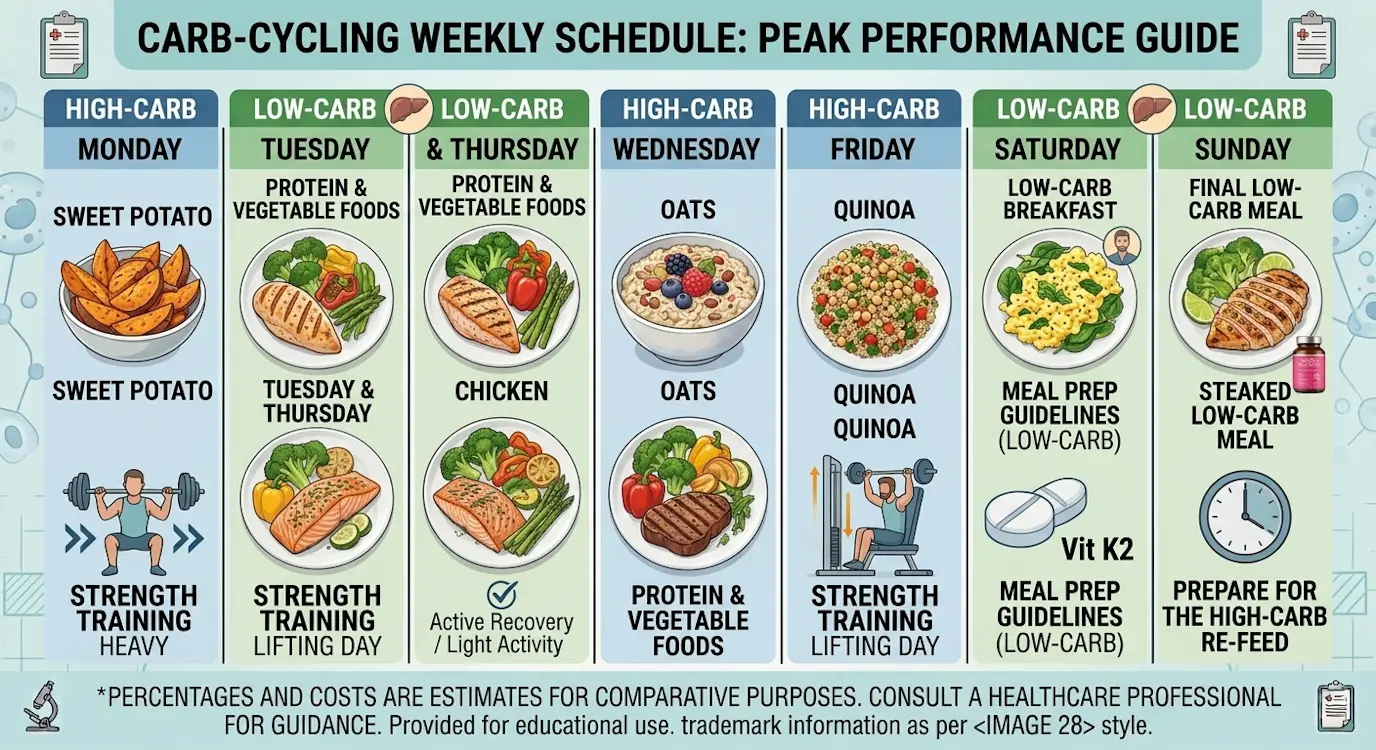
Weekly structure:
- 3 HIGH-CARB days (strength training or high-activity days)
- Carbs: 150-200g
- Protein: 120-140g
- Fat: 40-50g
- Total: ~1,600-1,700 calories
- 4 LOW-CARB days (rest or light activity days)
- Carbs: 50-75g
- Protein: 130-150g
- Fat: 60-70g
- Total: ~1,400-1,500 calories
Sample weekly schedule:
- Monday (Strength training): HIGH-CARB
- Tuesday (Rest): LOW-CARB
- Wednesday (Strength training): HIGH-CARB
- Thursday (Rest): LOW-CARB
- Friday (Strength training): HIGH-CARB
- Saturday (Light activity/yoga): LOW-CARB
- Sunday (Rest): LOW-CARB
Sample HIGH-CARB Day (Training Day)
Total: 1,650 cal | Carbs: 180g | Protein: 130g | Fat: 45g
Breakfast: Oatmeal with Protein
- 3/4 cup oats
- 1 scoop protein powder
- Banana
- 1 tbsp almond butter
- Berries
Pre-Workout Snack:
- Rice cakes (2) with honey
- Apple
Post-Workout Lunch: Chicken & Sweet Potato Bowl
- 6 oz grilled chicken
- Large sweet potato
- Steamed broccoli
- Small side salad
Afternoon Snack:
- Protein shake with berries
Dinner: Salmon with Quinoa
- 5 oz salmon
- 3/4 cup quinoa
- Roasted vegetables
- Light olive oil
Sample LOW-CARB Day (Rest Day)
Total: 1,450 cal | Carbs: 60g | Protein: 140g | Fat: 65g
Breakfast: Veggie Egg Scramble
- 3 whole eggs
- Spinach, mushrooms, bell peppers
- 1/2 avocado
- Cherry tomatoes
Snack:
- Greek yogurt (plain)
- Handful of almonds
Lunch: Tuna Salad Lettuce Wraps
- 6 oz tuna (in water)
- Mixed with avocado and Dijon
- Wrapped in lettuce
- Side: cucumber salad
Snack:
- Cheese stick
- Celery with almond butter
Dinner: Grilled Chicken with Cauliflower Rice
- 7 oz grilled chicken thighs
- 2 cups cauliflower rice
- Sautéed vegetables in coconut oil
- Side salad with olive oil dressing
Carb-Cycling Success Tips
Best carb sources for HIGH days:
- Sweet potatoes, white potatoes
- Quinoa, brown rice, oats
- Fruits (bananas, berries, apples)
- Whole grain bread (minimal)
Focus on LOW days:
- Non-starchy vegetables (unlimited)
- Leafy greens
- Healthy fats (avocado, nuts, olive oil, coconut oil)
- High-quality proteins
Timing matters:
- Consume most carbs around workouts (2 hours before, immediately after)
- Evening meals on high-carb days: moderate carbs (supports sleep)
- Evening meals on low-carb days: protein + fat + veggies
Who it's best for:
- Women who strength train 3+ times weekly
- Those who've plateaued on other diets
- Active lifestyle (not sedentary)
Who should skip it:
- Beginners to dieting (too complex)
- Sedentary women (unnecessary)
- Those with disordered eating history
Head-to-Head Comparison: Diet Plans for Menopause Weight Loss
Comprehensive comparison of all 5 plans:
| Criteria | Mediterranean | High-Protein | IF 16:8 | Plant-Based | Carb-Cycling |
|---|---|---|---|---|---|
| Weekly Weight Loss | 0.75-1.25 lb | 1-1.5 lb | 0.75-1.5 lb | 0.5-1 lb | 1-1.5 lb |
| Sustainability (1-10) | 10/10 | 8/10 | 8/10 | 9/10 | 6/10 |
| Muscle Preservation | ⭐⭐⭐⭐ Good | ⭐⭐⭐⭐⭐ Excellent | ⭐⭐⭐⭐ Good | ⭐⭐⭐ Moderate | ⭐⭐⭐⭐⭐ Excellent |
| Hot Flash Benefits | ⭐⭐⭐⭐ Significant | ⭐⭐⭐ Some | ⭐⭐⭐ Some | ⭐⭐⭐⭐⭐ Excellent | ⭐⭐ Minimal |
| Insulin Sensitivity | ⭐⭐⭐⭐ Very Good | ⭐⭐⭐⭐ Very Good | ⭐⭐⭐⭐⭐ Excellent | ⭐⭐⭐⭐ Very Good | ⭐⭐⭐⭐⭐ Excellent |
| Cardiovascular Health | ⭐⭐⭐⭐⭐ Excellent | ⭐⭐⭐⭐ Good | ⭐⭐⭐⭐ Good | ⭐⭐⭐⭐⭐ Excellent | ⭐⭐⭐ Moderate |
| Energy Levels | ⭐⭐⭐⭐⭐ High | ⭐⭐⭐⭐ Good | ⭐⭐⭐ Variable | ⭐⭐⭐⭐ Good | ⭐⭐⭐⭐⭐ High |
| Ease of Following | ⭐⭐⭐⭐⭐ Very Easy | ⭐⭐⭐⭐ Easy | ⭐⭐⭐ Moderate | ⭐⭐⭐⭐ Easy | ⭐⭐ Difficult |
| Cost per Month | $120-180 | $150-200 | $100-150 | $100-140 | $140-180 |
| Grocery Accessibility | ⭐⭐⭐⭐⭐ Excellent | ⭐⭐⭐⭐⭐ Excellent | ⭐⭐⭐⭐⭐ Excellent | ⭐⭐⭐⭐ Good | ⭐⭐⭐⭐ Good |
| Social Eating Friendly | ⭐⭐⭐⭐⭐ Very | ⭐⭐⭐⭐ Good | ⭐⭐⭐ Moderate | ⭐⭐⭐ Moderate | ⭐⭐⭐ Moderate |
| Evidence Level | Level 1 (Highest) | Level 1 (Highest) | Level 2 (Strong) | Level 2 (Strong) | Level 3 (Moderate) |
| Best For | Overall health, long-term | Muscle loss prevention | Insulin resistance | Hot flashes, inflammation | Active, advanced dieters |
Winner by category:
- Overall best: Mediterranean (highest sustainability + comprehensive benefits)
- Fastest results: High-Protein or Carb-Cycling
- Easiest to follow: Mediterranean
- Best for hot flashes: Plant-Based
- Best for insulin resistance: IF 16:8 or Carb-Cycling
- Best for muscle: High-Protein or Carb-Cycling
- Most affordable: Plant-Based or IF
Essential Supplements to Boost Every Menopause Diet Plan
Regardless of which diet you choose, certain supplements can enhance results by addressing menopause-specific metabolic challenges.
Universal Supplements (All Plans)
1. Berberine (500mg, 3x daily before meals)
- Gold standard for insulin resistance
- Lowers blood sugar similar to metformin
- Enhances weight loss by 15-20%
- Dosing: 500mg before each meal (1,500mg total daily)
- Timeline: 8-12 weeks for full effect
2. Omega-3 Fish Oil (2g EPA+DHA daily)
- Reduces inflammation (visceral fat is inflammatory)
- Improves insulin sensitivity
- May reduce hot flash frequency
- Dosing: 1,000mg twice daily with meals
- Choose: Third-party tested brands (Nordic Naturals, Carlson, Vital Choice)
3. Vitamin D3 (2,000-4,000 IU daily)
- 70% of menopausal women deficient
- Deficiency linked to weight gain, metabolic syndrome
- Supports bone health simultaneously
- Dosing: 2,000-4,000 IU daily with fat-containing meal
- Get tested: Target blood level 40-60 ng/mL
4. Magnesium Glycinate (300-400mg before bed)
- Improves insulin sensitivity
- Supports sleep (poor sleep = 30% more weight gain)
- Reduces cortisol
- Dosing: 300-400mg 30-60 min before bed
5. Green Tea Extract (400-500mg EGCG daily)
- Boosts metabolism 4-5%
- Enhances fat oxidation
- Antioxidant benefits
- Choose: Decaffeinated if sensitive to caffeine
Plan-Specific Supplement Stacks
For Mediterranean Diet:
- Add: DIM (200mg) for estrogen metabolism
- Add: Resveratrol (100-200mg) - red wine compound, anti-aging
For High-Protein Diet:
- Add: Digestive enzymes with protease (helps digest high protein)
- Add: Probiotics (supports gut health with animal protein)
For Intermittent Fasting:
- Add: Electrolytes during fasted state (sodium, potassium, magnesium)
- Add: BCAAs (if training fasted) - 5-10g
For Plant-Based:
- Add: Vitamin B12 (1,000 mcg) - ESSENTIAL on plant-based
- Add: Iron (if deficient - get tested first)
- Add: Zinc (15-30mg) - often low on plant-based
For Carb-Cycling:
- Add: Creatine monohydrate (5g daily) - supports strength training
- Add: Pre-workout on high-carb training days (optional)
Exercise Integration: Pairing Diet Plans with Workouts
Diet is 70-80% of weight loss, but exercise is critical for maintaining muscle mass and boosting metabolism during menopause.
Universal Exercise Requirements (All Diets)
Strength Training: 3x per week minimum
- Compound lifts: squats, deadlifts, rows, presses
- 3 sets x 8-12 reps
- Progressive overload (increase weight over time)
- Why: Preserves muscle mass (=maintains metabolism)
Daily Movement: 7,000-10,000 steps
- Walking, housework, gardening
- Low-impact, sustainable
- Supports NEAT (non-exercise activity thermogenesis)
Plan-Specific Exercise Pairings
Mediterranean Diet + Yoga/Pilates
- Why: Both emphasize balance, sustainability, stress reduction
- Recommendation: 3x strength + 2x yoga/Pilates weekly
- Enhances mind-body connection
- Reduces cortisol (stress hormone)
High-Protein Diet + Heavy Lifting
- Why: High protein supports muscle protein synthesis
- Recommendation: 4x strength training (upper/lower split)
- Focus on progressive overload
- Maximize muscle gain during weight loss
IF 16:8 + Fasted Cardio
- Why: Morning fasted walks enhance fat burning
- Recommendation: Morning walk (30-45 min) during fasted state
- Strength training in afternoon (during fed state)
- Post-workout meal breaks fast
Plant-Based + Low-Impact Cardio
- Why: Supports joint health, reduces inflammation
- Recommendation: Swimming, cycling, walking
- Gentle yoga or tai chi
- 3x strength (lighter weights, higher reps)
Carb-Cycling + HIIT
- Why: High-intensity matches high-carb fueling
- Recommendation:
- HIGH-CARB days: Strength training or HIIT
- LOW-CARB days: Rest or light walking
- Maximizes performance and recovery
12-Week Menopause Weight Loss Challenge (Any Diet Plan)
Structured 3-phase approach for maximum results:
Phase 1: Detox & Adaptation (Weeks 1-4)
Goals:
- Eliminate processed foods, added sugars
- Establish meal prep routine
- Adapt to chosen diet plan
- Build exercise habit
Expected loss: 4-6 pounds (includes water weight)
Weekly checklist:
- ☐ Meal prep Sunday
- ☐ 3 strength training sessions
- ☐ 10,000 steps daily
- ☐ 7-9 hours sleep nightly
- ☐ Track food intake
- ☐ Take baseline measurements (weight, waist, hips)
Phase 2: Fat Burn Acceleration (Weeks 5-8)
Goals:
- Increase strength training intensity
- Optimize protein timing
- Add metabolic conditioning
- Fine-tune calorie intake if needed
Expected loss: 4-6 pounds (pure fat)
Additions:
- Add 4th strength training day (optional)
- Add 2x HIIT sessions (20 min)
- Consider IF if not already doing
- Add berberine supplement
Weekly progress tracking:
- Weigh Monday mornings (same conditions)
- Measure waist/hips every 2 weeks
- Progress photos monthly
- Adjust calories if loss stalls (reduce 100-150 cal)
Phase 3: Maintenance Transition (Weeks 9-12)
Goals:
- Solidify habits for long-term
- Transition to maintenance calories
- Establish sustainable routine
- Prevent rebound
Expected loss: 2-4 pounds (slower, stabilizing)
Transition strategy:
- Increase calories by 100-150 weekly
- Find maintenance level (weight stable)
- Continue strength training (non-negotiable)
- Allow 20% flexibility (80/20 rule)
Total expected 12-week loss: 10-16 pounds
Progress Tracker Template
Weekly Check-In Sheet:
Common Mistakes Sabotaging Menopause Diet Success
Top mistakes and how to avoid them:
Mistake #1: Undereating Protein
Problem: Eating <0.8g/kg bodyweight
Result: Muscle loss, slowed metabolism, constant hunger
Fix:
- Calculate target: Weight (kg) x 1.6 = grams protein daily
- Track first 2 weeks to establish baseline
- Aim for 25-40g protein per meal
- Use protein powder if needed to hit target
Mistake #2: Skipping Strength Training
Problem: Doing only cardio or no exercise
Result: Lose muscle along with fat, metabolism drops further
Fix:
- Non-negotiable: 3x weekly strength training
- Compound lifts (squats, deadlifts, rows, presses)
- Progressive overload (increase weight over time)
- Hire trainer if needed to learn proper form
Mistake #3: Extreme Calorie Restriction
Problem: Eating <1,200 calories daily
Result: Metabolic adaptation (slower metabolism), muscle loss, nutrient deficiency, unsustainable
Fix:
- Safe range: 1,400-1,800 calories (adjust for activity)
- Maximum deficit: 500 calories below maintenance
- Never drop below 1,200 calories
- Focus on nutrient density, not just low calories
Mistake #4: Ignoring Sleep Quality
Problem: Sleeping <6 hours nightly
Result: 30% higher weight gain risk, elevated cortisol, increased hunger
Fix:
- Non-negotiable: 7-9 hours nightly
- Cool bedroom (60-67°F)
- No screens 1 hour before bed
- Magnesium 400mg before bed
- Consistent sleep schedule
Mistake #5: Stress Eating & Cortisol
Problem: Chronic stress, emotional eating
Result: Elevated cortisol = belly fat storage
Fix:
- Daily stress management: meditation, yoga, deep breathing
- Ashwagandha 300mg 2x daily (reduces cortisol 20-30%)
- Therapy or counseling if needed
- Plan ahead for emotional eating triggers
Mistake #6: Not Tracking Intake
Problem: "Eating healthy" but not tracking portions
Result: Unaware of portion creep, excessive healthy fats/nuts
Fix:
- Track food for first 2-4 weeks (MyFitnessPal, Cronometer)
- Learn portion sizes
- Measure high-calorie foods (nuts, oils, nut butters)
- Continue tracking if not losing
Mistake #7: Giving Up Too Soon
Problem: Expecting rapid results, quitting after 2 weeks
Result: Never seeing results, diet hopping
Fix:
- Realistic expectations: 0.5-1 lb per week
- Give ANY plan 8-12 weeks minimum
- Progress isn't linear (weight fluctuates daily)
- Focus on non-scale victories (energy, sleep, clothes fit)
- Take progress photos monthly
Frequently Asked Questions (FAQ)
Q1: What is the best diet for menopause weight loss?
Answer: The Modified Mediterranean Diet is the best overall diet for menopause weight loss based on clinical evidence, sustainability, and comprehensive health benefits.
Why Mediterranean wins:
1. Strongest Clinical Evidence
- Level 1 evidence (highest quality) specifically for postmenopausal women
- 2018 Mayo Clinic study: 5.3% body weight loss (vs 2.8% standard diet)
- 2020 meta-analysis: 22% greater visceral fat reduction
- Consistent results across multiple studies
2. Addresses Multiple Menopause Issues
- Weight loss: 0.75-1.25 lb per week
- Hot flashes: Reduced by 20-28% (anti-inflammatory foods)
- Heart health: 30% reduction in cardiovascular events (risk doubles post-menopause)
- Bone health: Better calcium absorption, vitamin D synergy
- Insulin resistance: 18% improvement in insulin sensitivity
3. Highest Long-Term Adherence
- 75% adherence rate at 1 year (vs 40% typical "diet")
- Delicious, satisfying foods (not restrictive)
- Social eating-friendly
- Culturally diverse recipes
- No feelings of deprivation
4. Comprehensive Nutritional Profile
- 40% healthy fats: Olive oil, nuts, fatty fish (hormone production, satiety)
- 30% protein: Fish, poultry, legumes, Greek yogurt (muscle preservation)
- 30% complex carbs: Whole grains, vegetables, fruits (energy, fiber)
- High fiber (30-35g daily) - improves insulin sensitivity
- Rich in phytonutrients, antioxidants
5. Sustainable and Flexible
- Works with any lifestyle
- Adaptable to preferences (pescatarian, omnivore)
- Affordable (similar cost to standard American diet)
- Grocery-accessible ingredients
When to choose alternatives:
Choose High-Protein if:
- Significant muscle loss already
- Very high appetite/hunger issues
- Prefer meat-heavy meals
Choose Intermittent Fasting if:
- Severe insulin resistance (prediabetes)
- Prefer eating larger meals (vs grazing)
- Want simplicity (no calorie counting)
Choose Plant-Based if:
- Severe hot flashes or joint pain
- Ethical/environmental reasons
- Already vegetarian/vegan
Choose Carb-Cycling if:
- Very active, strength training 4+ times weekly
- Plateaued on other diets
- Comfortable with complexity
Bottom line: Start with Mediterranean. It has the highest success rate and can be modified to incorporate elements of other plans (higher protein, IF window, etc.) if needed.
Q2: How many calories should I eat for menopause weight loss?
Answer: Most menopausal women should eat 1,400-1,800 calories daily for safe, sustainable weight loss of 0.5-1 pound per week.
How to calculate YOUR specific target:
Step 1: Estimate maintenance calories
Use the Mifflin-St Jeor equation:
For women:
BMR = 10 × weight(kg) + 6.25 × height(cm) - 5 × age(years) - 161
Example: 150 lb (68 kg), 5'5" (165 cm), age 52
- BMR = 10(68) + 6.25(165) - 5(52) - 161
- BMR = 680 + 1,031 - 260 - 161 = 1,290 calories
Step 2: Multiply by activity factor
- Sedentary (little/no exercise): BMR × 1.2 = 1,548 calories
- Light activity (1-3 days/week): BMR × 1.375 = 1,774 calories
- Moderate (3-5 days/week): BMR × 1.55 = 2,000 calories
- Active (6-7 days/week): BMR × 1.725 = 2,226 calories
Step 3: Create deficit for weight loss
Safe deficit: 300-500 calories below maintenance
- Moderate activity woman: 2,000 - 500 = 1,500 calories for weight loss
Calorie targets by activity level:
| Activity Level | Maintenance | Weight Loss Target |
|---|---|---|
| Sedentary | 1,500-1,700 | 1,200-1,400 |
| Light Activity | 1,700-1,900 | 1,400-1,600 |
| Moderate Activity | 1,900-2,100 | 1,500-1,700 |
| Active | 2,100-2,400 | 1,700-1,900 |
General recommendation: 1,500-1,700 calories works for most menopausal women engaging in moderate exercise.
Important calorie guidelines:
Minimum calories: NEVER go below 1,200
- Below 1,200 = Nutrient deficiency risk
- Triggers metabolic adaptation (metabolism slows)
- Unsustainable, leads to binge eating
- Muscle loss accelerates
Maximum deficit: 500 calories
- Larger deficits sacrifice muscle
- Harder to sustain
- Greater metabolic slowdown
Protein priority:
Regardless of calorie target, hit 1.6g/kg protein
- 150 lb woman = 109g protein minimum
- 109g × 4 cal/g = 436 calories from protein
- Remaining calories from healthy fats and complex carbs
Adjust based on results:
- Not losing after 2-3 weeks: Reduce 100-150 calories
- Losing >2 lb/week: Increase 100-150 calories (too fast = muscle loss)
- Feeling exhausted, very hungry: Increase 100-200 calories
Q3: Can intermittent fasting help menopause belly fat?
Answer: Yes, intermittent fasting (IF) is particularly effective for reducing menopause belly fat due to its powerful effects on insulin resistance—a primary driver of visceral fat accumulation.
Clinical Evidence:
2020 Study (135 postmenopausal women, 12 weeks):
- 16:8 IF group:
- Reduced visceral fat by 18%
- Lost average 7.2 pounds total
- Improved insulin sensitivity by 35%
- Reduced fasting insulin by 28%
- Control group (normal eating):
- Minimal visceral fat change
- Lost average 2.1 pounds
Why IF works specifically for belly fat:
1. Targets Insulin Resistance
- Extended fasting (14-16 hours) allows insulin levels to drop significantly
- Low insulin = Body can access fat stores (especially visceral fat)
- Visceral fat is more "insulin-sensitive" (responds quickly to low insulin)
- Result: Preferential belly fat burning
2. Increases Growth Hormone
- Fasting increases GH by 300-500%
- Growth hormone mobilizes fat for energy
- Preserves muscle mass during weight loss
3. Enhances Autophagy
- Cellular "cleanup" process
- Removes damaged cells, reduces inflammation
- Visceral fat is highly inflammatory (autophagy helps clear it)
4. Simplifies Calorie Restriction
- Eating window (8 hours) naturally reduces calorie intake
- Easier to maintain deficit vs counting all day
- Average spontaneous calorie reduction: 300-500 per day
Best IF protocol for menopause belly fat:
16:8 Time-Restricted Eating
- Eating window: 12:00 PM - 8:00 PM (or 10 AM - 6 PM)
- Fasting window: 8:00 PM - 12:00 PM next day (16 hours)
- Flexibility: Can adjust by 1-2 hours based on schedule
What to eat during window:
- High protein (1.6g/kg) - Preserves muscle
- Low-glycemic carbs - Prevents insulin spikes
- Healthy fats - Satiety, hormone production
- Plenty of vegetables - Fiber, nutrients
What to drink during fast:
- Water (aim for 8+ glasses)
- Black coffee (no cream, no sugar)
- Green tea or herbal tea (unsweetened)
- Sparkling water (plain)
Timeline for belly fat results:
Week 1-2:
- Initial water weight loss (2-4 lbs)
- Reduced bloating
- Body adapting to fasting
Week 3-6:
- Visible belly fat reduction
- Waist circumference decreases 1-2 inches
- Improved energy, mental clarity
Week 7-12:
- Continued visceral fat loss
- Total loss: 8-12 pounds (3-4 inches waist)
- Metabolic improvements measurable (fasting insulin, glucose)
Important considerations:
Who should try IF:
✓ Women with insulin resistance or prediabetes
✓ Those struggling with constant hunger/grazing
✓ Want simplicity (no calorie counting if eating healthy foods)
✓ Prefer larger, more satisfying meals
Who should be cautious:
⚠ History of eating disorders
⚠ Taking medications requiring food
⚠ Severe hypothyroidism (consult doctor)
⚠ Sleep disruption (late eating can worsen)
Women 50+ should not exceed 16-hour fasts regularly (can affect hormones)
Combine with:
- Strength training 3x weekly (preserves muscle)
- High protein intake (critical during IF)
- Quality sleep (supports results)
- Stress management (cortisol also causes belly fat)
Bottom line: IF is highly effective for menopause belly fat, especially when combined with low-glycemic eating and strength training. Give it 8-12 weeks for significant results.
Q4: What supplements speed up menopause weight loss?
Answer: The most effective supplements for accelerating menopause weight loss target insulin resistance, metabolism, and inflammation—the three major barriers to fat loss during menopause.
Top 7 Evidence-Based Supplements:
#1: Berberine (500mg, 3x daily before meals)
- Most effective for insulin resistance
- Evidence: 2019 meta-analysis showed berberine reduces body weight, BMI, and waist circumference significantly
- Works similarly to metformin (diabetes drug)
- Lowers blood sugar, improves insulin sensitivity 20-30%
- Dosing: 500mg before each meal (1,500mg total daily)
- Timeline: 8-12 weeks for full effect
- Expected enhancement: 15-20% more weight loss vs diet alone
#2: Omega-3 Fish Oil (2g EPA+DHA daily)
- Reduces visceral fat inflammation
- Improves insulin sensitivity 15-20%
- May reduce hot flash frequency
- Supports cardiovascular health (risk doubles post-menopause)
- Dosing: 1,000mg EPA+DHA twice daily with meals
- Choose: High-quality, third-party tested (Nordic Naturals, Carlson)
#3: Green Tea Extract (400-500mg EGCG daily)
- Boosts metabolism by 4-5%
- Enhances fat oxidation during exercise
- Catechins (EGCG) increase calorie burn
- Evidence: 2012 meta-analysis: Green tea extract increases weight loss by 1.3 kg (2.9 lb) over 12 weeks
- Dosing: 400-500mg EGCG daily (or 3-4 cups green tea)
- Choose: Decaffeinated if sensitive to caffeine
#4: Vitamin D3 (2,000-5,000 IU daily)
- 70% of menopausal women are deficient
- Deficiency linked to higher BMI, metabolic syndrome
- Supports insulin function, thyroid health
- Dosing: 2,000-5,000 IU daily with fat-containing meal
- Get tested: Target blood level 40-60 ng/mL
- Expected effect: Correcting deficiency facilitates 5-7% more weight loss
#5: Magnesium Glycinate (300-400mg nightly)
- Improves insulin sensitivity
- Lowers cortisol (stress hormone causing belly fat)
- Supports sleep quality (poor sleep = 30% more weight gain)
- Dosing: 300-400mg before bed
- Form matters: Glycinate (best absorbed, non-laxative)
#6: Protein Powder (20-25g per serving)
- Not traditional "supplement" but critical tool
- Helps hit 1.6g/kg protein target
- Whey: Fast-digesting, muscle protein synthesis
- Plant (pea, hemp): Alternative for plant-based
- Use: Post-workout or as meal/snack to boost protein
- Expected effect: Preserves muscle = maintains metabolism
#7: Probiotics (10+ billion CFU, multiple strains)
- Gut microbiome affects weight regulation
- 2021 Study: Specific probiotic strains (Lactobacillus, Bifidobacterium) reduced body weight and belly fat
- Improves insulin sensitivity, reduces inflammation
- Dosing: 10-50 billion CFU daily, refrigerated brands
- Choose: Multiple strains (Lactobacillus gasseri, rhamnosus, plantarum; Bifidobacterium lactis)
Supplement Stacking Strategy:
TIER 1 (Essential - Start Here):
- Berberine 500mg 3x daily
- Omega-3 2g daily
- Vitamin D3 2,000-4,000 IU
- Magnesium glycinate 400mg (bedtime)
TIER 2 (Add After 4 Weeks):
- Green tea extract 400mg
- Protein powder (as needed to hit protein target)
TIER 3 (Optional Additions):
- Probiotics
- DIM (200mg) - estrogen metabolism
- Ashwagandha (300mg 2x) - cortisol reduction
Timeline:
- Weeks 1-4: Start Tier 1 (one at a time, assess tolerance)
- Weeks 5-8: Add Tier 2 if desired
- Weeks 9-12: Assess results, continue what works
Realistic expectations:
Supplements enhance results by approximately 10-20% vs diet and exercise alone.
Example:
- Diet + Exercise alone: Lose 10 lb in 12 weeks
- Diet + Exercise + Supplements: Lose 12-13 lb in 12 weeks
Supplements are NOT magic pills:
- Won't work without proper diet
- Won't overcome poor sleep or high stress
- Most effective when combined with strength training
- Results take 8-12 weeks minimum
Safety notes:
- Start one supplement at a time (assess tolerance)
- Consult doctor if taking medications (especially diabetes, blood pressure, blood thinners)
- Choose quality brands (third-party tested: NSF, USP, ConsumerLab)
- Monitor for side effects (berberine can cause GI upset initially)
- Don't exceed recommended doses (more ≠ better)
Q5: How much weight can I lose per week during menopause?
Answer: Safe, sustainable weight loss during menopause is 0.5-1 pound per week (2-4 pounds per month). This rate preserves muscle mass, maintains metabolism, and prevents rebound weight gain.
Why slower is better during menopause:
1. Muscle Preservation is Critical
- Faster loss (2+ lb/week): Lose muscle + fat (metabolism drops further)
- Slower loss (0.5-1 lb/week): Lose primarily fat, preserve muscle
- Women losing 0.5-1 lb/week: 92% fat loss, 8% muscle loss
- Women losing 2+ lb/week: 75% fat loss, 25% muscle loss
Result: Slower losers end up with higher metabolism and better body composition
2. Metabolic Adaptation Prevention
- Rapid weight loss triggers metabolic slowdown (survival mechanism)
- Body adapts by burning fewer calories
- Slower loss: Metabolism stays higher
- Rapid dieters: Metabolism decreased 15-20%
- Moderate-pace dieters: Metabolism decreased 5-8%
3. Hormonal Balance
- Very low calories disrupt remaining hormones
- Can worsen hot flashes, mood, sleep
- Moderate deficit: Maintains better hormonal stability
4. Long-Term Success
- Sustainability matters more than speed
- Rapid loss = 80% regain weight within 1 year
- Slow loss = 60-70% maintain weight loss at 2 years
Expected timeline and total loss:
| Timeframe | Expected Loss (0.5-1 lb/week) | Expected Loss (Aggressive 1-1.5 lb/week) |
|---|---|---|
| 1 month | 2-4 lbs | 4-6 lbs |
| 3 months | 6-12 lbs | 12-18 lbs |
| 6 months | 12-24 lbs | 24-36 lbs |
| 12 months | 24-48 lbs | 48-72 lbs |
Realistic 12-month goal: 20-30 pounds sustainable loss
Factors affecting rate:
Lose FASTER if:
- Higher starting weight (more to lose)
- Very active lifestyle
- Excellent diet adherence
- Adequate sleep + stress management
- No metabolic issues (thyroid, insulin resistance managed)
Lose SLOWER if:
- Close to goal weight (last 10-15 lbs are slowest)
- Sedentary lifestyle
- Poor sleep (<6 hours)
- High stress (elevated cortisol)
- Thyroid issues, severe insulin resistance
- Taking certain medications (antidepressants, beta-blockers)
What to do if not losing 0.5 lb/week:
Week 1-2: Don't panic
- Weight fluctuates daily (water, hormones, digestion)
- Look at 4-week trends, not individual weeks
Week 3-4: Troubleshoot
- ☐ Track food intake accurately (measure portions)
- ☐ Verify hitting protein target (1.6g/kg)
- ☐ Check sleep quality (7-9 hours)
- ☐ Assess stress levels
- ☐ Confirm strength training 3x weekly
Week 5-6: Adjust
If truly not losing:
- Reduce calories by 100-150 daily
- Add 4th strength training day
- Add 2x HIIT sessions (20 min)
- Consider berberine supplement
- Get thyroid tested if not already
Non-scale victories (equally important):
Even if scale isn't moving fast:
- Measurements: Waist, hips, thighs decreasing
- Body composition: Losing fat, gaining muscle (scale stable)
- Energy: Increased throughout day
- Sleep: Better quality
- Clothes: Fitting better/looser
- Strength: Lifting heavier weights
- Mood: More stable, less irritable
- Hot flashes: Reduced frequency/severity
These indicate success even without rapid scale movement!
Bottom line:
- Target: 0.5-1 lb per week (2-4 lb per month)
- Maximum safe: 1.5 lb per week (if very overweight)
- Don't go faster: Sacrifices muscle, sustainability
- Be patient: 12-month journey for 20-30 lb loss
- Focus on: Consistency over perfection, long-term habits
Remember: You didn't gain the weight in 3 months; sustainable loss takes time. The slower you lose, the more likely you are to keep it off permanently.
Final Verdict: Which Diet Plan Should You Start?
Choosing the right plan depends on YOUR specific situation:
Quick Decision Tree
Start with Mediterranean Diet if:
- ✓ Want comprehensive health benefits (not just weight loss)
- ✓ Prefer variety and delicious food
- ✓ Need sustainable long-term approach
- ✓ Have cardiovascular concerns
- ✓ Want highest evidence base
- → 70% of menopausal women succeed best with this
Choose High-Protein if:
- ✓ Already lost significant muscle mass
- ✓ Constantly hungry on other diets
- ✓ Prefer meat-heavy meals
- ✓ Want faster results
- ✓ Serious about strength training
Choose Intermittent Fasting 16:8 if:
- ✓ Have insulin resistance or prediabetes
- ✓ Prefer eating 2-3 larger meals vs grazing
- ✓ Want simplicity (no calorie counting)
- ✓ Struggle with portion control throughout day
Choose Plant-Based if:
- ✓ Severe hot flashes or joint pain
- ✓ Already vegetarian or ethical reasons
- ✓ Want anti-inflammatory focus
- ✓ Digestive issues with animal proteins
Choose Carb-Cycling if:
- ✓ Very active (strength training 4+ times weekly)
- ✓ Plateaued on other diets
- ✓ Comfortable with complexity
- ✓ Want to maximize workout performance
30-Day Starter Checklist (Any Plan)
Week 1: Preparation
- ☐ Choose your diet plan based on above criteria
- ☐ Calculate protein target (weight in kg × 1.6g)
- ☐ Calculate calorie target (1,400-1,800 range)
- ☐ Clean out pantry (remove processed foods, added sugars)
- ☐ Grocery shop for Week 1 meal plan
- ☐ Meal prep Sunday (cook proteins, chop vegetables)
- ☐ Take before photos, measurements, weight
- ☐ Start tracking food (MyFitnessPal, Cronometer)
Week 2: Build Habits
- ☐ Complete 3 strength training sessions
- ☐ Hit protein target 6-7 days
- ☐ Stay within calorie range
- ☐ Sleep 7-9 hours nightly
- ☐ Drink 8+ glasses water daily
- ☐ Start supplement regimen (berberine, omega-3, vitamin D, magnesium)
Week 3: Optimize
- ☐ Add 10,000 daily steps goal
- ☐ Fine-tune meal timing
- ☐ Add stress management practice (meditation, yoga)
- ☐ Assess energy, hunger, sleep quality
- ☐ Adjust portions if needed
Week 4: Assess & Adjust
- ☐ Weigh and measure (compare to Week 1)
- ☐ Expected loss: 2-4 pounds
- ☐ Take progress photos
- ☐ Evaluate adherence, challenges
- ☐ Make adjustments for next 30 days
- ☐ Celebrate wins!
Your Personalized Action Plan
Next steps to take TODAY:
1. Choose your diet plan (use decision tree above)
2. Calculate your targets:
- Protein: [Your weight in kg] × 1.6 = __ grams daily
- Calories: 1,400-1,800 (based on activity level)
3. Get groceries (use meal plan grocery list from chosen plan)
4. Schedule strength training (3 sessions this week - put in calendar)
5. Start supplements:
- Berberine 500mg (before meals)
- Omega-3 2g daily
- Vitamin D3 2,000-4,000 IU
- Magnesium 400mg (bedtime)
6. Track progress:
- Week 1 weight: __
- Week 1 waist: __
- Week 1 hips: __
- Take before photos
Remember: The best diet is the one you can sustain. Don't chase perfection—chase consistency. Small, sustainable changes compound into dramatic transformations over 3-6-12 months.
You CAN lose weight during menopause. It just requires a different approach than what worked in your 30s.
Start today. Your future self will thank you. 💪
Disclaimers
Medical Disclaimer
This article is for informational and educational purposes only and does not constitute medical advice. The diet plans, meal plans, and supplement recommendations have not been evaluated by the Food and Drug Administration and are not intended to diagnose, treat, cure, or prevent any disease.
Always consult with a qualified healthcare professional before starting any new diet, exercise program, or supplement regimen, especially if you have pre-existing medical conditions, take medications, or have a history of eating disorders.
Individual results may vary significantly based on genetics, adherence, baseline health, activity level, and other factors. Weight loss claims are based on clinical studies and represent averages, not guarantees.
Menopause is a medical transition that may require medical supervision. Discuss significant dietary changes with your healthcare provider, particularly if you have diabetes, cardiovascular disease, thyroid conditions, or are taking hormone replacement therapy.