Published by a Nutrition & Wellness Researcher | Category: Women's Health & Endocrinology
Medical Disclaimer: This article is for informational purposes only. Always consult a qualified healthcare provider before starting any new supplement regimen, especially if you are managing a medical condition or taking prescription medications.
1. Introduction – What Are Phytoestrogens and Why Link Them to Weight Loss?
Walk through any health food store and you're likely to find products boasting "plant estrogens" or "phytoestrogen complex" on their labels. But what are phytoestrogens, and is there real science connecting them to weight loss — or is it all clever marketing?
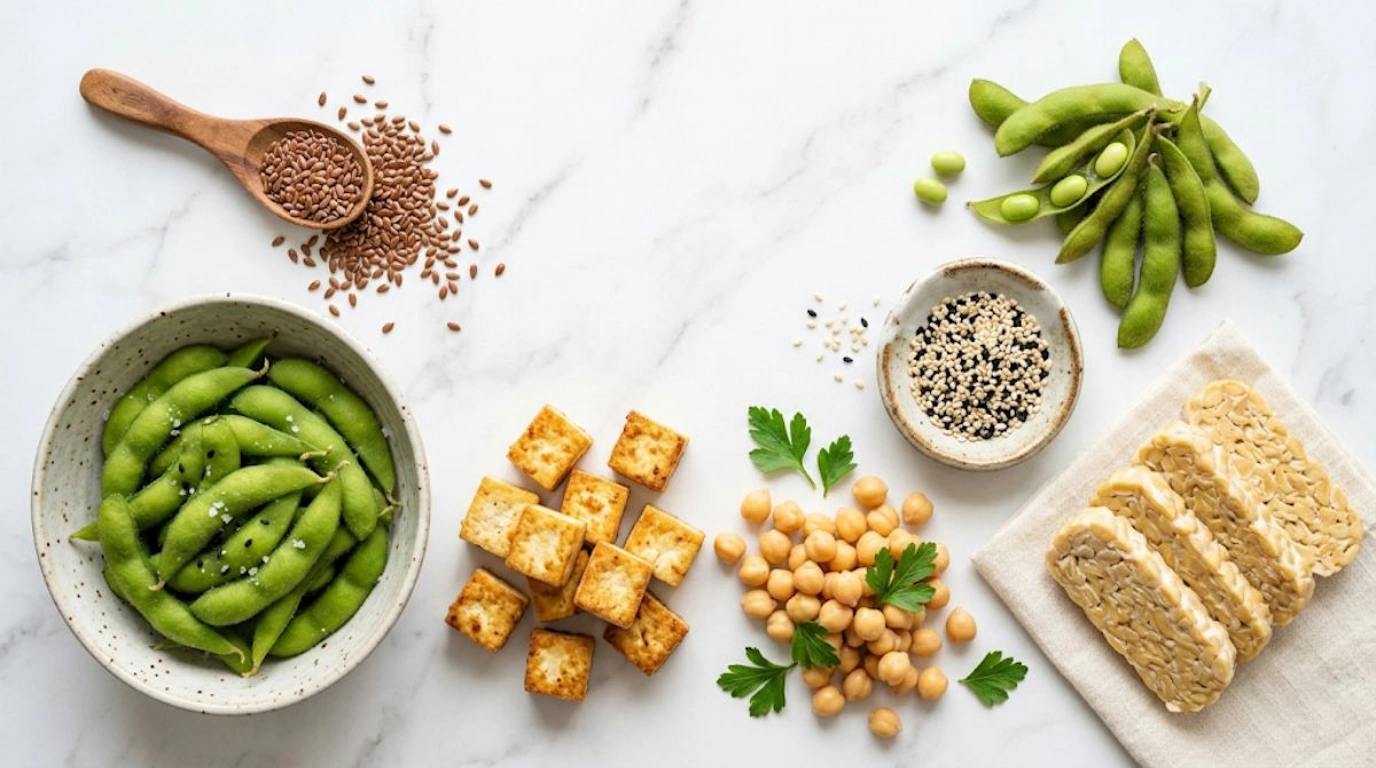
Phytoestrogens are naturally occurring plant compounds that structurally resemble human estrogen (17β-estradiol) closely enough to interact with estrogen receptors in the body. They are found primarily in soybeans, flaxseeds, legumes, whole grains, and certain fruits. The three main classes are isoflavones (abundant in soy), lignans (concentrated in flaxseeds), and coumestans (found in alfalfa and red clover).
The reason scientists began studying these compounds in the context of weight regulation is straightforward: estrogen plays a known role in fat distribution, appetite control, and insulin sensitivity. When estrogen levels decline — most dramatically at menopause — many women experience an increase in visceral abdominal fat, greater appetite, and worsening metabolic markers. The hypothesis is that phytoestrogens, by partially mimicking estrogen's activity, might blunt some of these effects.
Here's the honest summary upfront: some studies show measurable reductions in appetite, visceral fat, and metabolic risk markers — but many trials show modest or neutral effects. Phytoestrogens are not a magic fat-loss pill. What they can be is a useful dietary component within a well-structured, evidence-based weight management plan, particularly for women navigating hormonal changes.
2. How Phytoestrogens Work in the Body
To understand why phytoestrogens may influence body weight, you first need a brief primer on estrogen receptors. The body expresses two primary estrogen receptor subtypes: estrogen receptor alpha (ERα) and estrogen receptor beta (ERβ). Natural estrogen binds both with high affinity, triggering downstream gene expression that regulates hundreds of bodily processes.
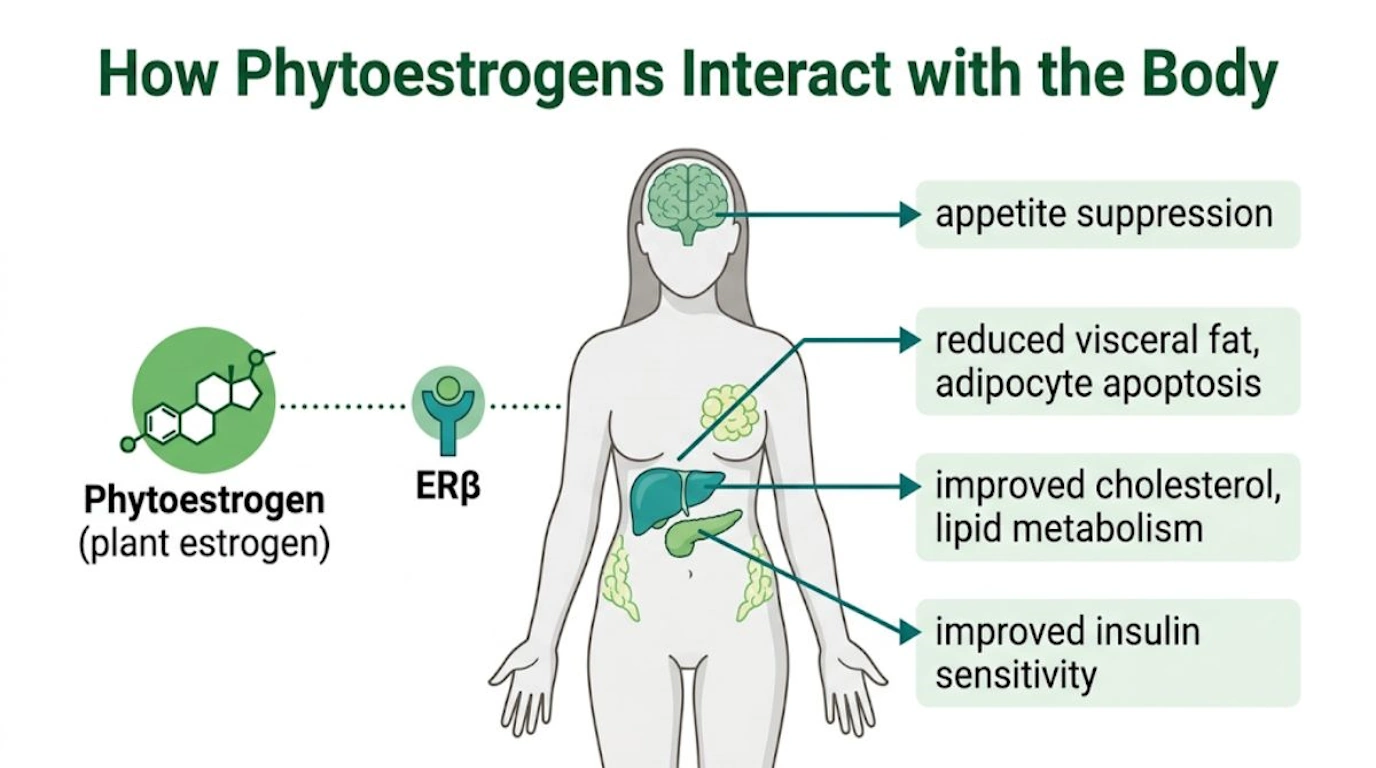
Phytoestrogens — particularly genistein and daidzein from soy — bind these same receptors, but with roughly 100 to 10,000 times weaker affinity than endogenous estrogen. Crucially, they show a preferential affinity for ERβ over ERα, giving them a distinct (not identical) biological footprint. This selectivity matters: ERβ activation is associated with anti-proliferative, anti-inflammatory, and metabolically favorable outcomes.
2.1 Mechanisms Linked to Weight Regulation
Several overlapping pathways connect phytoestrogen activity to body weight and fat mass:
Appetite Suppression: Animal models consistently show that high-phytoestrogen diets reduce caloric intake. This appears to operate via estrogen-like signaling in the hypothalamus, which regulates hunger hormones like leptin and ghrelin. In ovariectomized rodents (a common model for menopause), phytoestrogen-supplemented diets reduced food intake and prevented the compensatory weight gain typical in estrogen-deficient animals.
Adipocyte Life Cycle Disruption: Phytoestrogens, especially genistein, have been shown to inhibit the differentiation of pre-adipocytes into mature fat cells (adipogenesis) and even promote programmed fat cell death (adipocyte apoptosis). This directly reduces the capacity for fat accumulation in adipose tissue.
Increased Fat-Free Mass: Some studies report that phytoestrogen supplementation, particularly in combination with resistance exercise, is associated with preservation or modest increases in lean body mass — potentially by modulating anabolic signaling pathways.
Insulin Sensitivity: Both genistein and daidzein have demonstrated the ability to improve insulin signaling in cell and animal models, reducing peripheral insulin resistance. Given that insulin resistance strongly promotes fat storage and impairs fat oxidation, improvements here meaningfully support weight loss efforts.
3. What the Research Says: Phytoestrogens and Weight Loss Evidence
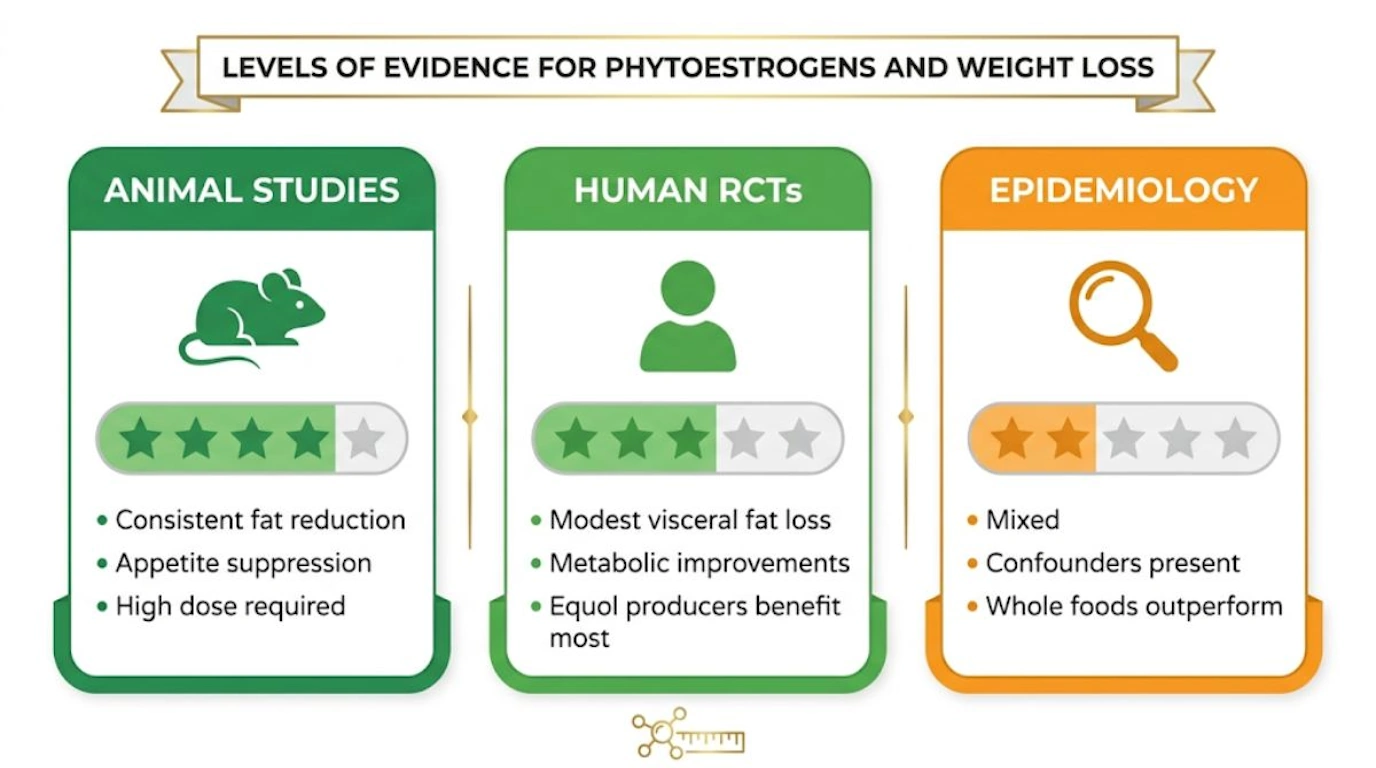
The science of phytoestrogens and weight loss is genuinely complex. The honest picture is one of promising signals in controlled settings, mixed results in broader human trials, and substantial variation depending on who is studied and what is measured. Let's break it down by evidence tier.
3.1 Animal Studies: Strong Signals but Higher Doses
The preclinical data is remarkably consistent. In ovariectomized mice and rats — the gold-standard model for studying post-menopausal weight gain — diets supplemented with genistein, daidzein, or soy protein significantly reduced total body fat, visceral adiposity, and food intake compared to control diets. The protective effect was most pronounced in estrogen-deficient models, suggesting that phytoestrogens may be filling a functional gap left by declining natural estrogen.
Key mechanisms documented in animal studies include reduced expression of fat-synthesis genes (fatty acid synthase, ACC), enhanced fat oxidation, and leptin normalization. One important caveat: the doses used in rodent studies typically translate to human equivalent doses far exceeding what is achievable through diet alone — which partly explains why human results are more modest.
3.2 Human Studies: Modest Changes in Fat and Metabolic Markers
Human clinical evidence is more nuanced but not without genuine signal. Here are some of the more compelling findings:
A randomized controlled trial examining a soy-based meal replacement in obese adults found the phytoestrogen group lost approximately 7 kg over 12 weeks compared to roughly 3 kg in the control group — a statistically significant difference. Body composition analysis showed the additional loss was predominantly fat mass, not lean tissue.
A number of trials in peri- and post-menopausal women have found that isoflavone supplementation (typically 54–120 mg/day) is associated with reduced visceral fat area on imaging, decreased waist circumference, lower serum leptin levels, and improvements in LDL cholesterol and triglycerides.
Meta-analyses and systematic reviews present a more tempered picture: pooled analyses typically find statistically significant but small reductions in waist-hip ratio, body fat percentage, and waist circumference. The effect sizes are modest — we are not talking about dramatic weight loss here.
3.3 Limitations and Inconsistencies in the Data
Several factors explain the inconsistency across studies and prevent sweeping conclusions:
Equol production variability: Roughly 25–50% of people harbor gut bacteria that convert daidzein into equol, a more potent phytoestrogen metabolite. Equol producers may experience significantly greater benefits from soy intake. Most trials do not stratify by equol-producer status, which dilutes apparent group-level effects.
Dose and form differences: Whole soy foods, isolated soy protein, and concentrated isoflavone supplements deliver phytoestrogens in very different bioavailability profiles. A clinical trial using 80 mg isoflavone capsules may not be comparable to one based on tofu consumption.
Confounding in population studies: Some epidemiological surveys paradoxically find a positive association between soy consumption and obesity — largely because broad soy intake estimates capture processed soy (soy-lecithin-laden snack foods) alongside healthful whole soy foods. This is a confounder issue, not a causal one.
4. Phytoestrogen-Rich Foods That May Support Weight Loss
Before reaching for a supplement bottle, consider this: whole phytoestrogen-rich foods consistently outperform isolated supplements in research outcomes. This is because they deliver not just phytoestrogens but also dietary fiber, high-quality protein, and micronutrients — all of which independently contribute to weight management through satiety, thermogenesis, and glycemic control.
4.1 Soy Foods and Isoflavones
Soy is the richest dietary source of isoflavones — primarily genistein, daidzein, and glycitein. A standard serving of whole soy foods provides roughly the following isoflavone content:
| Soy Food | Serving Size | Est. Isoflavones (mg) | Weight-Loss Benefit |
|---|---|---|---|
| Edamame (cooked) | ½ cup | 16–18 mg | High protein + fiber, high satiety |
| Tofu (firm) | 100 g | 20–30 mg | Low calorie density, versatile |
| Tempeh | 100 g | 40–60 mg | Higher protein, fermented (gut benefits) |
| Soy milk (plain) | 1 cup (240 ml) | 6–10 mg | Dairy swap, lower calories |
| Miso | 1 tbsp | 6–8 mg | Fermented, appetite-signaling |
Clinical evidence links regular whole soy intake to improved glycemic control, lower triglycerides, and — in several trials — modest but measurable reductions in body fat percentage and waist circumference, particularly in post-menopausal women.
4.2 Flaxseed and Lignans
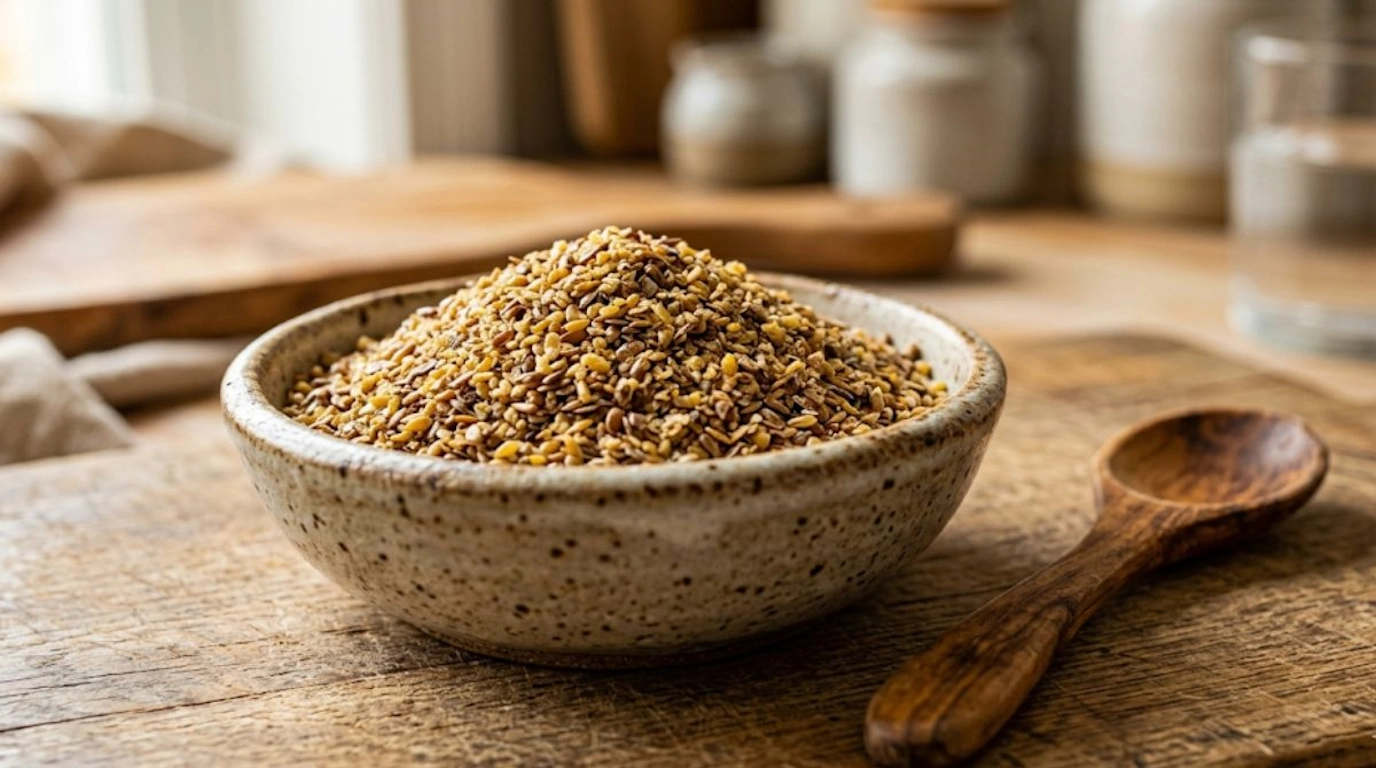
Flaxseeds are the richest dietary source of lignans, specifically secoisolariciresinol diglucoside (SDG). After ingestion, gut bacteria convert SDG into enterolignans (enterodiol and enterolactone) which act as weak phytoestrogens. Population studies have found higher urinary enterolactone levels — a marker of dietary lignan intake — to be inversely associated with obesity risk.
Beyond phytoestrogen activity, ground flaxseed delivers approximately 3 grams of fiber per tablespoon, which meaningfully slows gastric emptying, reduces post-meal glucose spikes, and extends satiety — all important contributors to a negative energy balance. Two tablespoons of ground flaxseed daily is a practical, evidence-supported starting point.
4.3 Other Plant Sources
While soy and flax dominate the phytoestrogen conversation, several other everyday foods contribute meaningful amounts:
Chickpeas and lentils contain modest isoflavones and coumestans, alongside significant fiber and plant protein. Sesame seeds are a notable lignan source (sesamin and sesamolin). Whole grains like rye and oats contribute small lignan quantities. Berries (particularly strawberries, cranberries, and raspberries) contain ellagitannins which gut bacteria convert to phytoestrogen-like urolithins.
None of these should be positioned as isolated "fat burners." Their value lies in the context of a diverse, high-fiber, calorie-controlled dietary pattern where they collectively contribute to favorable hormonal and metabolic signaling.
5. Phytoestrogen Supplements for Weight Loss: Pros and Cons
The supplement market offers a wide range of phytoestrogen-containing products: concentrated soy isoflavone capsules (50–150 mg/day), flaxseed oil capsules, red clover extract tablets, and multi-phytoestrogen blends. Many are marketed specifically for menopause symptom relief and midlife weight management.
5.1 Potential Benefits
For individuals who cannot or do not consume sufficient whole phytoestrogen foods, concentrated supplements offer a convenient way to achieve trial-equivalent isoflavone doses. Some research supports that supplemental isoflavones (particularly at 80–100 mg/day genistein equivalents) can reduce visceral fat, improve fasting insulin, lower LDL cholesterol, and reduce appetite in post-menopausal women even without major dietary overhaul.
Importantly, supplements may produce preferential effects on visceral (abdominal) fat rather than simply total body weight — which is metabolically more significant given that visceral adipose tissue drives insulin resistance, dyslipidemia, and cardiovascular risk.
5.2 Safety Concerns and Who Should Avoid Them
Dietary phytoestrogens consumed through whole foods are considered safe for healthy adults and have been consumed by populations in East Asia for millennia without documented harm. High-dose supplements, however, occupy a different risk category.
• History of hormone-sensitive cancers (estrogen receptor-positive breast cancer, endometrial cancer): The estrogenic activity of high-dose supplements warrants oncologist guidance before use.
• Women on tamoxifen or aromatase inhibitors: Potential for phytoestrogens to interfere with drug efficacy; avoid without medical supervision.
• Thyroid medication users: Soy can impair thyroid hormone absorption; separate administration times cleanly.
• Fertility concerns: High-dose isoflavone supplementation may temporarily affect menstrual cycle tracking data metrics.
• Infants: High phytoestrogen matrices should be fully restricted outside pediatric medical clearance strategies.
6. Phytoestrogens, Visceral Fat, and Metabolic Health
Perhaps the most clinically meaningful application of phytoestrogens in weight management isn't on total body weight per se, but specifically on visceral adipose tissue (VAT) — the metabolically active fat packed around abdominal organs. VAT is the fat most strongly linked to type 2 diabetes, cardiovascular disease, and systemic inflammation.
6.1 Effects on Adipose Tissue Distribution
Estrogen plays a key role in directing fat storage toward subcutaneous sites (hips, thighs) rather than visceral depots. At menopause, declining estrogen correlates closely with the shift toward central/visceral adiposity seen in many women. Phytoestrogens, by partially restoring estrogenic signaling at ERβ, appear to partially preserve this favorable fat distribution pattern.
At the cellular level, genistein inhibits adipogenesis (the differentiation of mesenchymal stem cells into fat cells) via multiple pathways including suppression of PPARγ and C/EBPα — key transcription factors driving fat cell formation. Animal imaging studies show preferential reduction in visceral depots even when total body weight is unchanged, which underscores why body composition rather than scale weight is the right metric to follow here.
6.2 Glycemic Control and Lipids
A strong body of evidence — including multiple meta-analyses — supports the conclusion that soy protein and isoflavone intake meaningfully improve glycemic markers and lipid profiles:
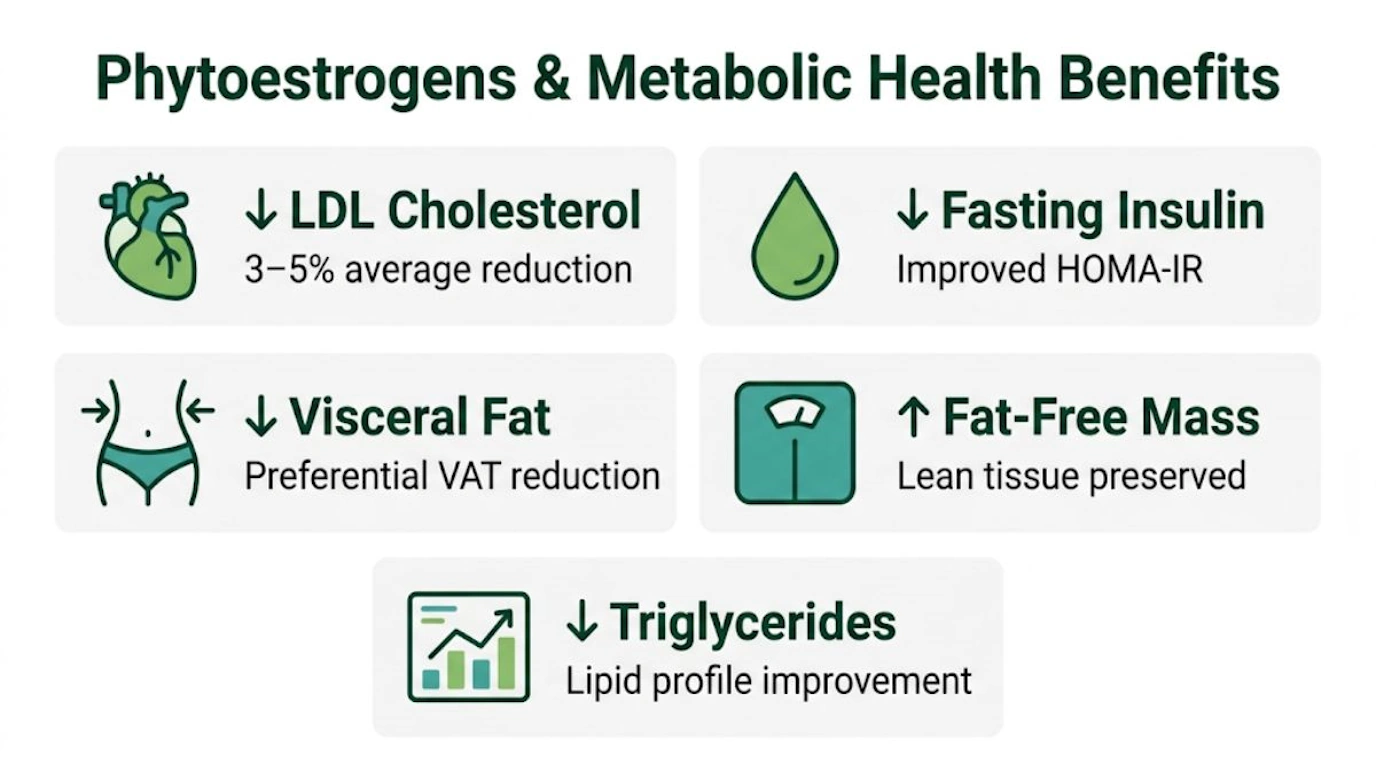
Fasting glucose and fasting insulin are reduced in several trials of soy isoflavone supplementation in insulin-resistant adults. HOMA-IR (a composite measure of insulin resistance) improves in some meta-analyses by a clinically relevant margin. LDL cholesterol decreases by an average of approximately 3–5% across trials, and triglycerides show modest reduction. These metabolic improvements may not move the scale significantly, but they meaningfully reduce the hormonal and biochemical environment that promotes fat accumulation and impairs fat burning — creating a more favorable backdrop for a calorie-deficit diet.
7. How to Use Phytoestrogens in a Weight-Loss Plan
The cardinal principle here: phytoestrogen foods should replace calories rather than be added on top of them. Replacing a portion of refined carbohydrates or saturated fat calories with tofu, edamame, or flaxseed does double duty — it shifts the hormonal environment in a favorable direction while simultaneously improving diet quality.
7.1 Sample One-Day Phytoestrogen-Rich Weight-Loss Menu
The following is a sample day structured at approximately 1,500–1,700 calories with high protein, adequate fiber, and a meaningful phytoestrogen load (~80–100 mg isoflavone equivalents):
| Meal | Foods | Key Phytoestrogen Source |
|---|---|---|
| Breakfast | Overnight oats with 240 ml unsweetened soy milk, 2 tbsp ground flaxseed, ½ cup mixed berries, 1 tbsp chia seeds | Soy milk (isoflavones), flaxseed (lignans) |
| Mid-Morning Snack | ½ cup edamame (lightly salted) | Edamame (genistein, daidzein) |
| Lunch | Large salad: mixed greens, 150 g chickpeas, roasted red peppers, cucumber, 1 tbsp sesame seeds, tahini-lemon dressing | Chickpeas, sesame seeds (lignans) |
| Afternoon Snack | 1 tbsp almond butter on 2 rye crispbreads | Rye (trace lignans) |
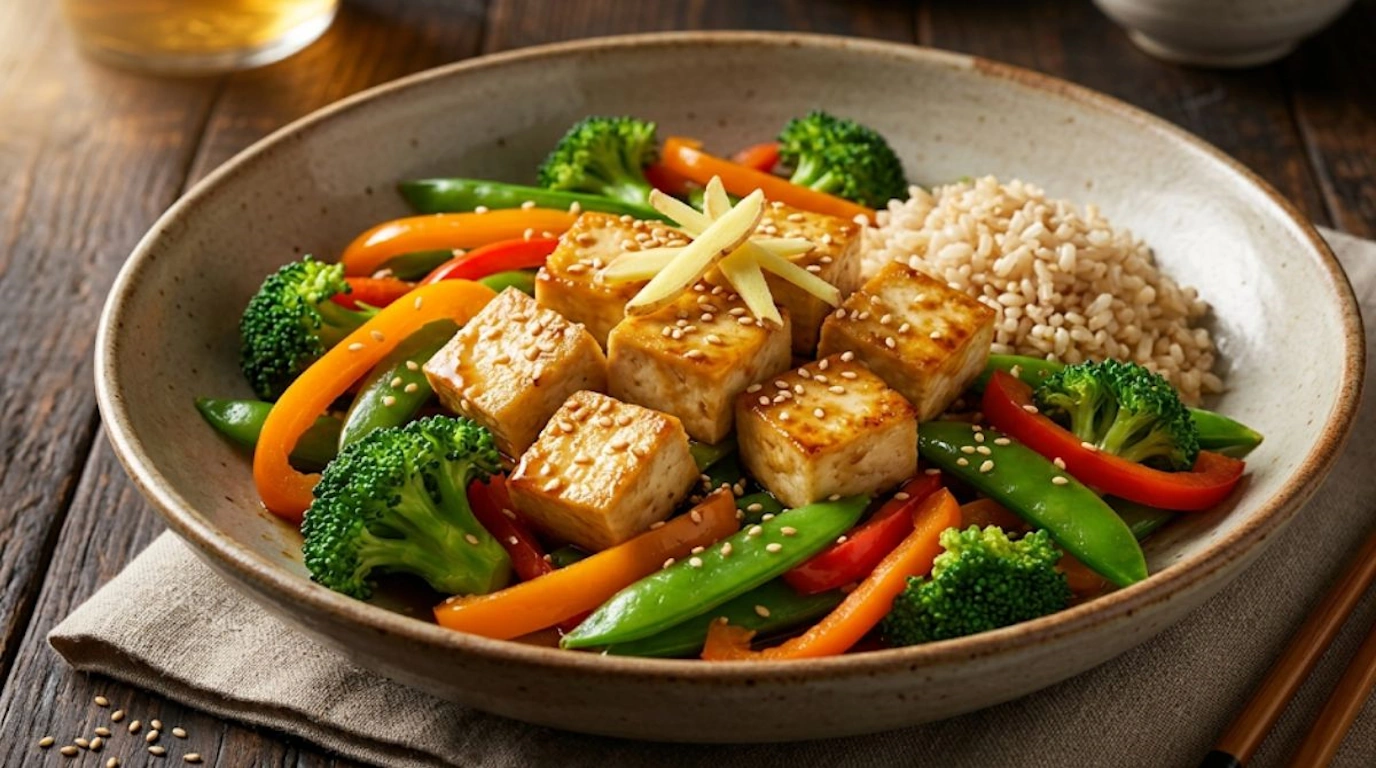
| Dinner | Stir-fried firm tofu (150 g) with broccoli, snap peas, bell pepper, ginger-tamari sauce served over ½ cup brown rice | Tofu (high isoflavones) |
7.2 Combining Phytoestrogens with Other Weight-Loss Strategies
Phytoestrogens are one lever among many in a sustainable weight-management toolkit. Their effects are amplified — not replaced — by pairing them with:
Resistance training: Preserves and builds lean mass during a caloric deficit; synergizes with phytoestrogens' potential lean-mass-sparing effects. Aim for 2–4 sessions per week.
High total protein intake: A target of 1.6–2.0 g/kg body weight per day maximizes satiety and thermogenesis. Soy protein (from tofu, tempeh, edamame) counts toward this total and offers complete amino acid profiles.
Consistent daily movement: A step target of 8,000–10,000 daily steps provides meaningful non-exercise activity thermogenesis (NEAT) that complements dietary efforts.
Sleep hygiene: Chronic sleep deprivation elevates ghrelin (hunger hormone) and reduces leptin (satiety hormone), directly undermining any dietary or phytoestrogen-based appetite management strategy. Prioritizing 7–9 hours is not optional.
8. Who Might Benefit Most — and Least — from Phytoestrogens for Weight Loss?
Not everyone responds the same way to phytoestrogens. The clearest beneficiaries based on current evidence are:
Peri- and post-menopausal women experiencing the estrogen-withdrawal-driven shift toward central adiposity, increased appetite, worsening lipids, and metabolic syndrome risk. This population shows the most consistent positive signals in RCT data.
Equol producers — those with gut microbiome profiles capable of converting daidzein to equol — appear to derive significantly greater metabolic benefit from soy intake. This group represents roughly 30–50% of people in Western populations and up to 60–70% in East Asian populations where soy consumption is higher and gut flora are adapted accordingly.
Adults with mild insulin resistance or pre-diabetes may see disproportionate benefit given phytoestrogens' favorable effects on glucose metabolism and β-cell function.
Conversely, populations for whom phytoestrogen supplementation warrants caution (not necessarily whole foods) include those with hormone-sensitive cancer histories, certain thyroid conditions, those taking hormone replacement therapy or selective estrogen receptor modulators (SERMs), and those with specific endocrine disorders. Dietary phytoestrogen intake from whole foods is generally considered safe across the board; it is concentrated supplemental doses that carry greater uncertainty in sensitive populations.
9. Frequently Asked Questions
10. Final Thoughts: Where Phytoestrogens Fit in a Sustainable Weight-Loss Strategy

Phytoestrogens are not a weight-loss miracle — but they are not mere hype either. The evidence, taken honestly, supports the conclusion that regular consumption of phytoestrogen-rich whole foods can modestly support fat loss, particularly visceral fat reduction, appetite regulation, and metabolic health in susceptible populations — most prominently women during the peri- and post-menopausal transition.
The mechanisms are real: phytoestrogens bind estrogen receptors, influence appetite-regulating hormones, impair fat-cell formation, improve insulin signaling, and favorably shift lipid profiles. These are not trivial actions. But the effect sizes we observe in human trials are modest, variable, and highly dependent on individual factors including gut microbiome composition (equol production), menopausal status, baseline diet, and dose.
The practical upshot is clear: build your weight-loss strategy on the proven fundamentals — a consistent calorie deficit, adequate protein (1.6–2.0 g/kg), progressive resistance training, 7–9 hours of sleep, and daily movement. Within that framework, replace some of your current protein and carbohydrate sources with soy foods, add two tablespoons of ground flaxseed to your daily routine, and diversify with chickpeas, lentils, and sesame seeds. Do this consistently, and you'll not only introduce meaningful phytoestrogen activity but also systematically improve the overall nutritional quality of your diet.
That combination — smart fundamentals enhanced by phytoestrogen-rich whole foods — is where sustainable, evidence-based fat loss actually lives. No magic. Just science, applied consistently.